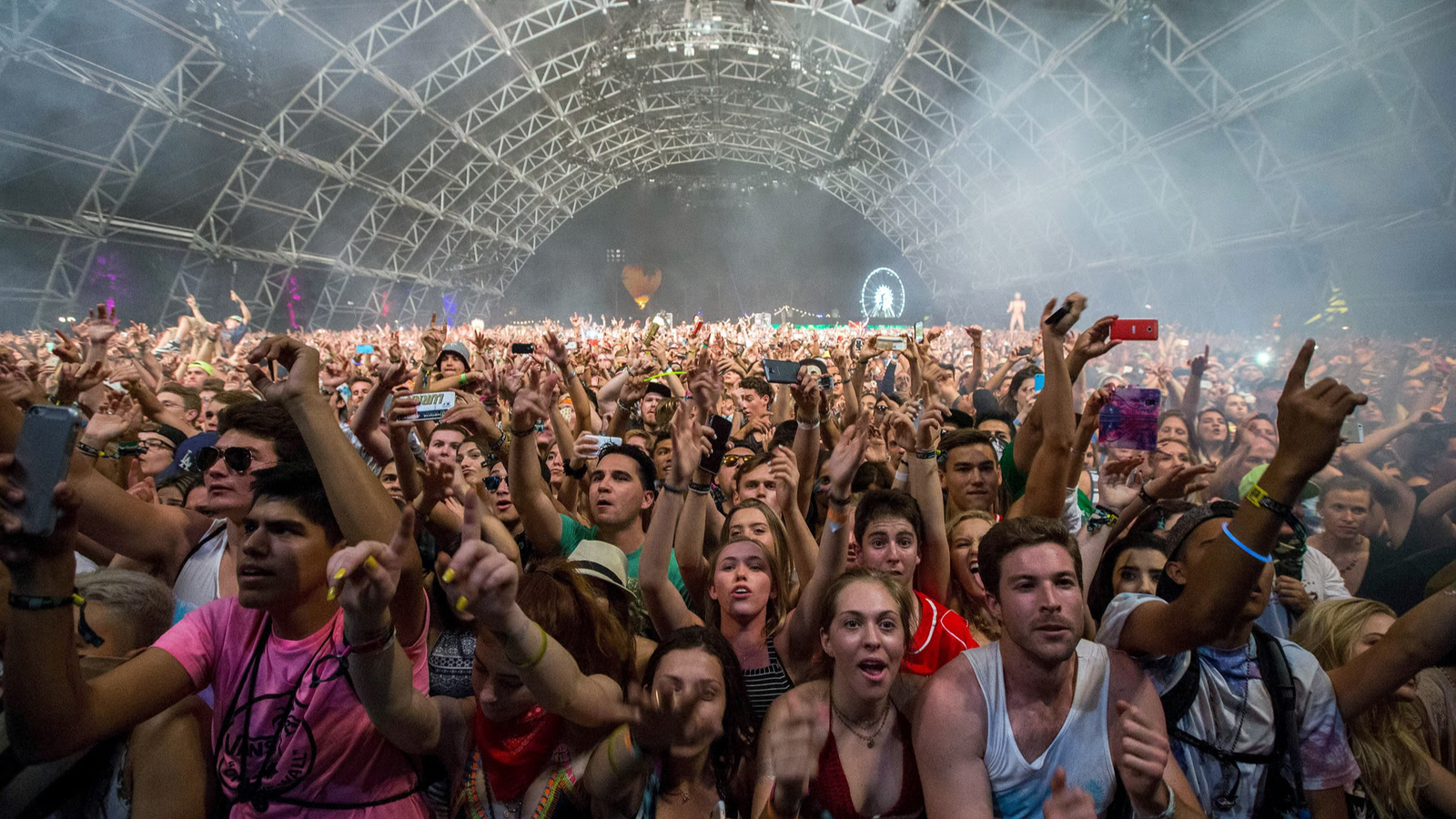

People are dancing, coffee is being poured, and, depending on the event, the day may have started with a run, yoga session, or breathwork class. There is music, a crowd and the familiar energy of a club. What may be missing is alcohol.
Wellness raves are emerging as one of 2026’s most visible lifestyle trends, bringing elements of nightlife into mornings and afternoons and combining them with fitness, coffee culture and alcohol-free socialising.
Sometimes called morning raves, sober dance parties or coffee raves, the events vary considerably. Some are straightforward DJ sets held in cafés. Others combine running, Pilates or yoga with several hours of dancing. Sauna raves and cold-plunge parties have also joined the growing category.
What connects them is an attempt to preserve the social appeal of going out while changing some of the habits traditionally associated with nightlife.
The trend has grown enough for the Global Wellness Summit to identify the “festivalization of wellness” as a major 2026 development, describing a shift toward collective wellness experiences built around music, movement and social interaction.
The significance of the movement, however, goes beyond people dancing before lunch.
Wellness raves are developing at the intersection of several changes already reshaping urban social life: more selective drinking, the popularity of run clubs and group fitness, growing demand for offline connection and a nightlife economy under pressure from changing consumer habits.
What exactly is a wellness rave?
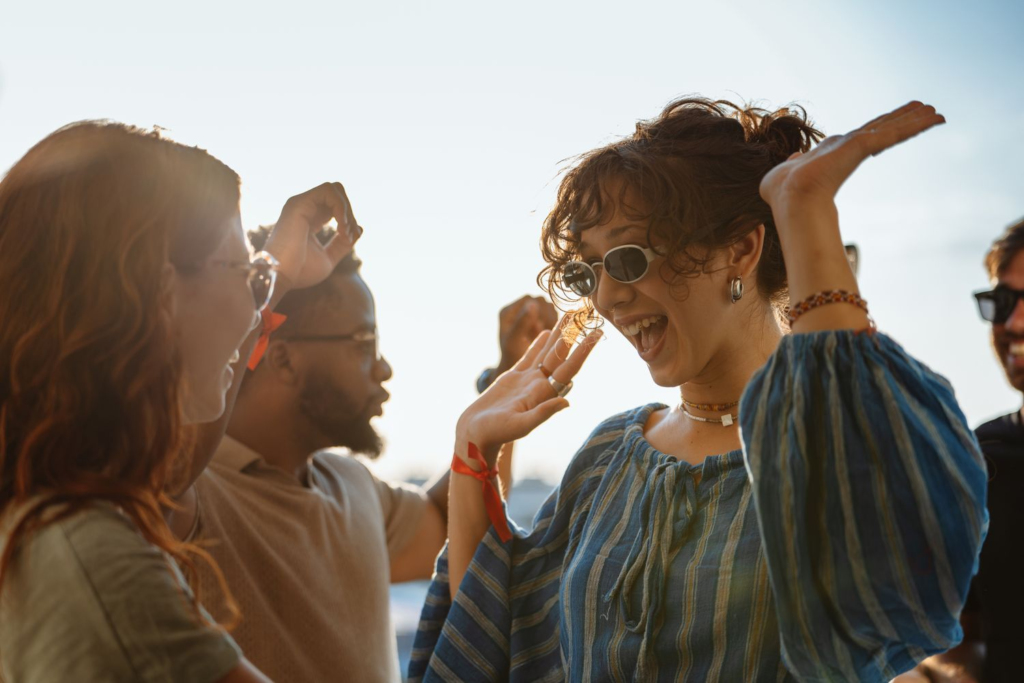
There is no single format. At its simplest, a wellness rave is a dance-focused social event held without alcohol or with drinking pushed to the margins rather than treated as the main attraction.
Some begin before work. Others take place on weekend mornings or afternoons. Coffee may replace cocktails.
A run might replace pre-drinks. DJs still play house, techno, electronic, or pop music, but the event could take place in a café, fitness studio, gallery, rooftop, or wellness venue rather than a conventional nightclub.
Real Simple, which highlighted the trend this week, describes wellness raves as short, high-energy gatherings centred on music, movement and community, sometimes incorporating yoga, meditation or breathwork.
The format is flexible enough to appeal to different audiences. Some events are explicitly sober. Others are aimed at people who drink but do not want alcohol to be central to every social occasion.
That distinction is important. The growth of wellness raves does not mean an entire generation has stopped drinking.
Gen Z has not given up alcohol, but attitudes are changing
The popular idea that Gen Z is universally rejecting alcohol is not supported by the latest international data.
IWSR’s 2026 consumer research found that 74% of legal-drinking-age Gen Z consumers across 15 established markets had consumed alcohol, bringing their participation rate close to that of the wider adult population.
What is changing is how people drink. IWSR says moderation has become increasingly structural across major alcohol markets. Consumers are drinking fewer beverages per occasion and becoming more selective about when and what they drink.
The average number of drinks per occasion across its key markets fell from 4.4 in March 2024 to 3.9 in March 2026.
This creates space for social events that do not require guests to make a permanent decision about alcohol. Someone can attend a coffee rave on Saturday morning and still have wine with dinner that evening.
The appeal is not necessarily sobriety. It can simply be choice. That is one reason describing the entire movement as “sober culture” misses part of what is happening.
Coffee raves show how quickly the format is growing
The strongest evidence of changing behaviour may be the rise of the coffee rave.
Eventbrite data has shown a sharp increase in events combining coffee and club culture. The platform reported a 478% rise in coffee-clubbing events, alongside a 150% increase in attendance. Sober-curious gatherings rose 92%.
The concept is straightforward enough to work in almost any city. A café opens its doors. A DJ sets up. People order espresso, matcha, or cold brew and dance for several hours. Some events are connected to run clubs.
Eventbrite’s 2026 social study found that attendance at events combining coffee and running rose 233% in the United States and 182% in Britain. The format has appeared in cities including London, Toronto, Miami, Dubai, Los Angeles, Paris and elsewhere.
The Financial Times reported this summer on organisers turning running clubs, coffee shops and morning DJ sets into large social events. London’s Coffee Culture has expanded from relatively small gatherings into dozens of events, while Toronto’s Coffee Party has organised much larger dance events incorporating DJs and unlimited coffee.
The concept is no longer limited to a single city or one type of crowd.
Morning raves themselves are not new
It is also worth separating genuine change from clever rebranding. People have been holding alcohol-free dance events in the morning for years.
Daybreaker, one of the best-known examples, began in New York more than a decade ago. It now describes itself as a global community operating across more than 66 cities, with events planned across locations including New York, Brisbane, Chicago, Las Vegas, Atlanta and Toronto.
Its events combined early-morning dancing with wellness elements long before “wellness rave” became a widely used lifestyle term.
What appears new in 2026 is not the invention of sober dancing. It is the number of adjacent trends moving toward the same format.
Coffee culture, run clubs, Pilates, sauna culture, sober curiosity and daytime socialising are increasingly being combined into events that look less like traditional fitness classes and more like parties. The categories are beginning to overlap.
Fitness has become a social space
That overlap is especially visible in the rise of group fitness as a form of social life.
Run clubs that once existed primarily for training have become places to meet friends, make professional connections and even date.
Pilates studios, climbing gyms and group workout classes increasingly function in similar ways.
A recent ClassPass-linked survey cited in reporting on younger consumers found that 53% of respondents aged 18 to 34 had booked a fitness or wellness experience instead of going out for drinks or traditional nightlife during the previous year. That does not mean gyms are replacing bars.
It does suggest that the boundaries between exercise and socialising are becoming less rigid. A Saturday morning can now involve a group run followed by coffee and a DJ.
For organisers, the combination makes commercial sense. Instead of asking people to choose between exercising, seeing friends and going out, one event can package all three.
Wellness is becoming less private
For years, much of the modern wellness industry focused on personal routines.
Meditation apps, sleep trackers, supplements, home workouts, and skincare rituals have largely positioned wellbeing as something individuals manage themselves. The rise of wellness raves represents a different model.
The Global Wellness Summit argues that people are increasingly looking for wellness experiences built around collective participation rather than constant self-optimisation. Its 2026 trend analysis points to sober morning raves, sauna events, mass fitness gatherings and dance-based experiences as examples.
That development may help explain why the word “wellness” now appears next to an activity that would previously have been categorised simply as partying.
The objective is no longer necessarily quiet relaxation. For some participants, wellbeing means being around other people, listening to loud music and moving for two hours.
The search for real-world connection matters too
The growth of wellness raves also coincides with another lifestyle trend: people looking for more reasons to meet offline.
Eventbrite’s research has identified growing interest in what it calls “soft clubbing”, while recent reporting has documented increased demand for in-person activities ranging from dinner parties with strangers to chess, birdwatching and reading groups.
These activities share an important characteristic. People are not necessarily attending because they want to network or make friends immediately. The activity provides the reason to be there.
That can reduce some of the awkwardness of traditional social events. At a wellness rave, guests can dance. At a run club, they can run. At a pottery class, they can make something.
Conversation becomes optional rather than mandatory. For generations that conduct a large proportion of their social lives through screens, structured in-person activities can provide a relatively simple route back into physical social spaces.
Why daytime nightlife has practical advantages
There are also practical reasons people may prefer a party at 10am to one beginning at 11pm.
An early event does not necessarily consume the following day.
Public transport is often easier. People can attend before other weekend plans.
Those with early work schedules, fitness routines or family responsibilities may find daytime events easier to incorporate into their lives.
They can also be less expensive than traditional nightlife, depending on the event.
A night in a major-city bar can involve cover charges, taxis and several expensive drinks. A coffee event may still charge for admission, but alcohol is no longer automatically one of the highest costs.
Eventbrite has pointed to earlier hours, transport and greater compatibility with work and fitness schedules as reasons younger consumers are interested in what it describes as soft clubbing.
That makes the trend as much about convenience as wellness.
Nightlife itself is under pressure
The rise of alternative social events is also occurring while conventional nightlife faces economic difficulties in several major markets.
Bars and nightclubs have been affected by higher rents, staffing costs, changing drinking habits and pressure on consumers’ disposable incomes.
IWSR says visits to bars, restaurants and other on-premise drinking venues have continued to decline across many of the international markets it tracks. Consumers are going out less often and becoming more deliberate about how they spend money when they do.
That does not mean the nightclub is about to disappear. But it does mean venues and organisers are competing with a larger range of social experiences.
A DJ no longer needs a dark room and a 2am set time. The same music can be programmed into a bakery, gallery, rooftop or coffee shop at midday.
That opens nightlife culture to people who enjoy dancing but have little interest in conventional club schedules.
Wellness raves are also becoming a business
As with most successful lifestyle trends, commercialisation has followed quickly.
Event organisers are combining fitness classes, premium coffee, DJs, recovery products, non-alcoholic beverages and branded experiences.
Some events remain inexpensive and community-based. Others resemble premium wellness festivals. This raises a useful question about who gets to participate.
A morning dance party in a neighbourhood café can be relatively accessible. A carefully branded event combining boutique fitness, specialty drinks and expensive tickets can turn social wellness into another luxury product.
The Global Wellness Summit itself describes the wider trend as part of a rapidly expanding wellness economy.
There is nothing inherently wrong with companies selling experiences people enjoy.
But the language of community should not obscure the fact that some versions of this new social life are highly commercial.
The same cultural desire for connection that has fuelled run clubs and offline gatherings is increasingly valuable to brands.
Not everyone wants their night out to become a wellness routine
There is another limitation to the trend. Some people simply like traditional nightlife.
They want a late dinner, a cocktail, a nightclub and a night that does not involve discussing hydration or recovery.
There is a risk that wellness culture can turn ordinary pleasure into another area of life requiring optimisation.
Dancing does not necessarily need to improve sleep, fitness or productivity to be worthwhile.
A coffee rave may appeal precisely because it feels different from a nightclub. It should not automatically be treated as the morally superior version of one.
The most interesting development is therefore not that wellness raves are replacing nightlife. They are expanding what nightlife can mean.
The future of going out may involve more choice
The strongest indication that the trend has staying power is not the terminology.
“Coffee rave”, “soft clubbing” and “festivalization of wellness” may eventually sound dated.
The behaviour underneath them is more important. People still want to dance.
They still want music, crowds and shared experiences. What appears to be changing is the assumption that these experiences must take place late at night and revolve around alcohol.
A person can now choose between the nightclub, the morning rave, the run club, the café DJ set or an event combining several of them.
That flexibility reflects a wider change in lifestyle culture.
Wellness is becoming more social. Fitness is becoming more recreational.
Nightlife is becoming less dependent on the night. And alcohol is increasingly becoming one option within social life rather than the automatic centre of it.
The dance floor has not disappeared. In some cities, it is simply opening much earlier.
Don’t forget to follow us on Facebook | Instagram | Twitter | LinkedIn to get the latest updates from Cape Town Tribune