
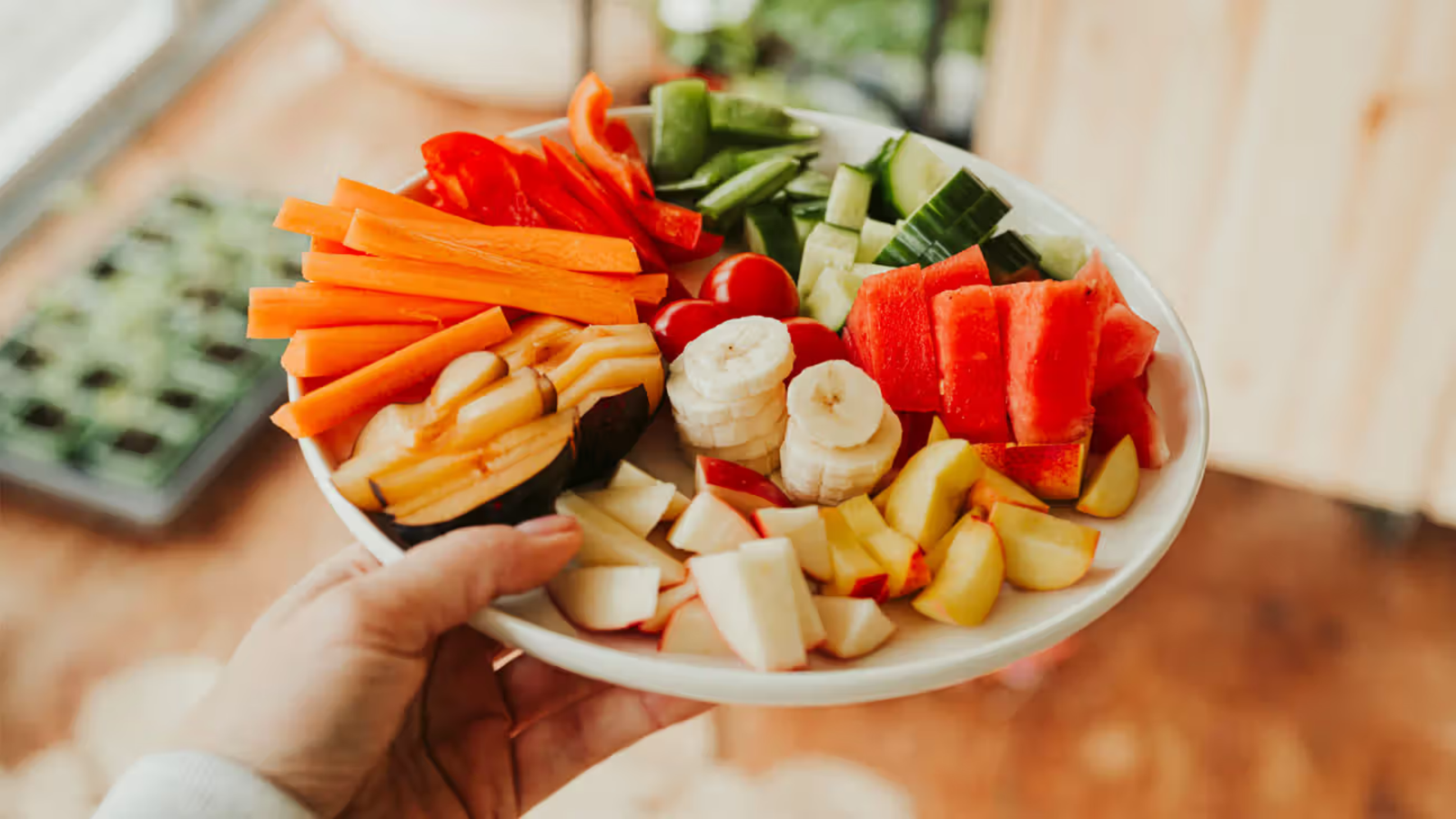

For years, wellness culture had one nutritional obsession: protein.
Protein coffee. Protein cereal. Protein pasta. Protein ice cream. Protein water. Even snacks that once made no claim to being healthy suddenly arrived with enormous numbers printed on the packet announcing how many grams of protein they contained.
Now another nutrient is having its internet makeover.
It is less glamorous, considerably less photogenic and historically more likely to be associated with bran cereal than TikTok.
Fibre has gone viral.
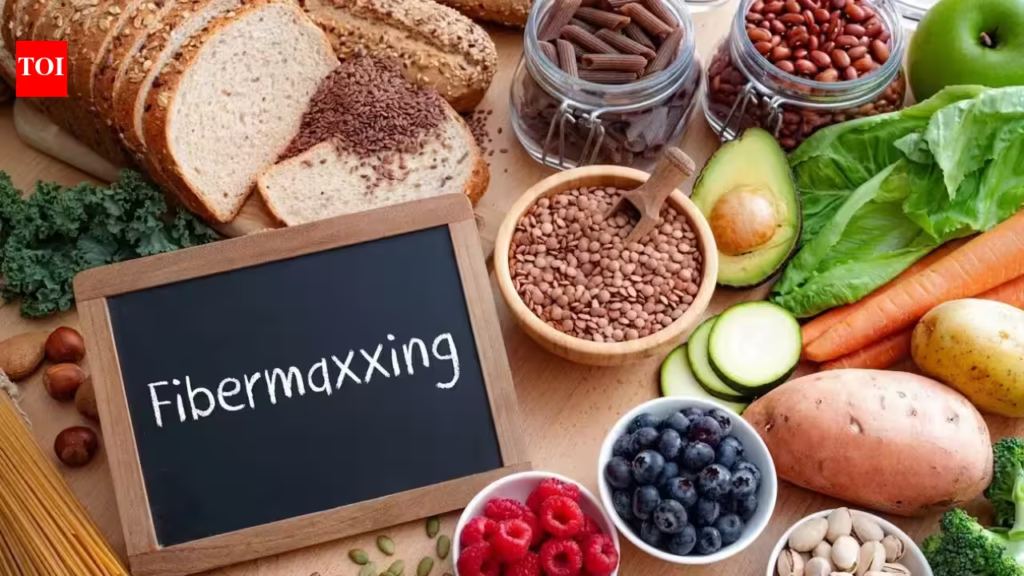
The trend is called fibermaxxing, and its basic premise is remarkably simple: deliberately pack more fibre into meals by eating foods such as beans, lentils, oats, berries, vegetables, seeds, nuts and whole grains.
Videos show creators adding chia seeds to breakfasts, loading bowls with legumes, swapping refined carbohydrates for whole grains and tracking their daily fibre intake with the enthusiasm previously reserved for protein macros.
Search interest has followed. FoodNavigator reported in August that Google interest in “fibermaxxing” had risen 115% over the previous 90 days, while food companies are already looking beyond the trend towards what some in the industry are calling “fibermixxing” combining different types of fibre rather than simply chasing the highest possible number.
Unlike many social-media diet trends, however, nutrition experts are not immediately telling people to ignore this one.
The surprising reason is that most people genuinely could use more fibre.
What is fibermaxxing?
At its least extreme, fibermaxxing is simply the internet giving a dramatic name to advice dietitians have offered for decades.
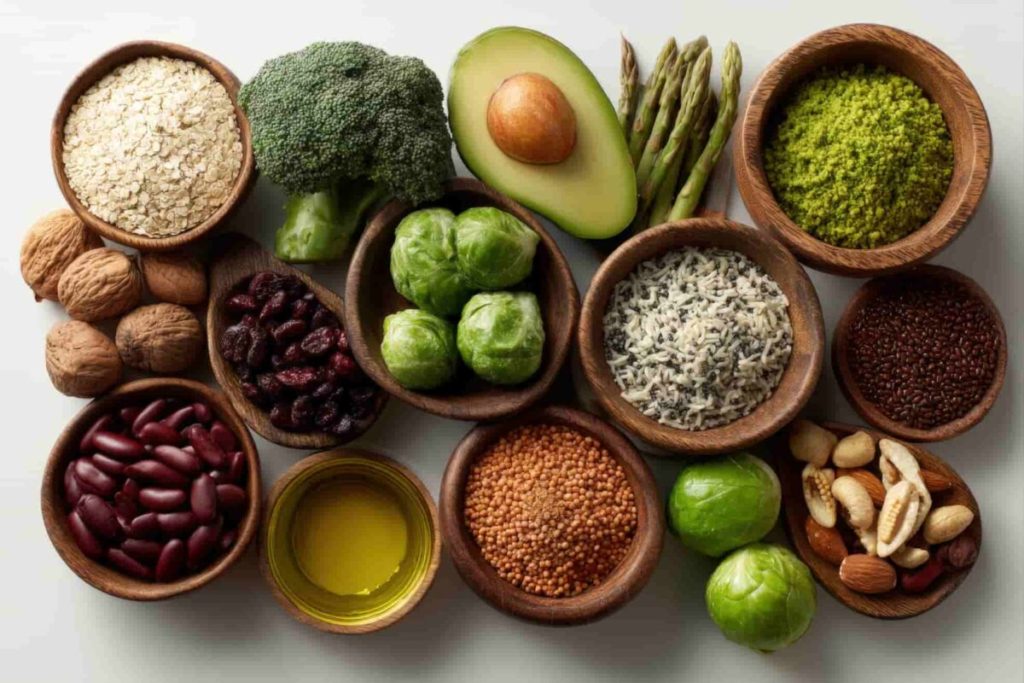
Eat more plants. Dietary fibre is the part of plant foods that the human digestive system does not fully break down. It is found naturally in fruits, vegetables, legumes, whole grains, nuts and seeds.
Broadly, fibre is often divided into soluble and insoluble forms.
Soluble fibre dissolves in water and forms a gel-like material during digestion. Foods such as oats, beans, peas and some fruits contain significant amounts.
Insoluble fibre adds bulk to stool and helps material move through the digestive system. Whole grains, vegetables, nuts and seeds are common sources.
Both have useful roles, and many plant foods contain a mixture.
The U.S. Food and Drug Administration uses 28 grams of dietary fibre per day as the Daily Value on food labels, based on a 2,000-calorie diet. Individual recommendations vary depending on age, sex, calorie needs, and health.
Yet getting anywhere near recommended levels is surprisingly uncommon.
UCLA Health notes that more than 90% of American women and 97% of American men fail to meet recommended fibre intake, with many adults consuming around 15 grams a day.
That gap is one reason dietitians have reacted to fibermaxxing rather differently from detox teas, extreme fasting challenges, or miracle supplements.
The trend is addressing a real nutritional shortfall.
Why fibre suddenly became cool
Fibre did not suddenly become healthier in 2026. What changed was the way people started thinking about it.
Over the past few years, gut health has moved from a specialist nutrition topic into the centre of mainstream wellness. The microbiome is now discussed alongside sleep, exercise and mental health, while supermarket shelves are increasingly filled with products marketed as probiotic, prebiotic or “gut friendly.”
Fibre fits neatly into that shift. Certain types are fermented by bacteria in the colon, helping support the gut microbiome and reinforcing the idea that digestive health is closely tied to overall wellbeing.
What also makes fibermaxxing feel different from many previous diet trends is its focus on addition rather than restriction.
Instead of telling people to cut carbohydrates, fat, sugar or calories, it encourages them to put more on the plate: more beans, berries, vegetables, seeds and whole grains.
That gives the trend a more positive appeal. It aligns with a broader move away from highly restrictive eating and towards habits framed around nourishment, variety and long-term health.
Food companies have noticed the shift too.
Consumer research firm Circana says growing interest in fibre is showing up in three main areas: naturally fibre-rich foods, fibre-fortified packaged products and supplements such as powders, gummies and prebiotic blends.
The company argues that the trend may have more staying power than the average social-media craze because it taps into a much bigger consumer interest in digestive health, preventive nutrition and the microbiome.
From protein bars to fibre candy
Of course, once the wellness industry discovers a nutrient, things rarely remain as simple as eating vegetables. Fibermaxxing has already entered its commercial phase.
Bars, drinks, tortillas, cereals, powders and gummies increasingly advertise fibre content. Some companies are adding ingredients such as inulin or chicory-root fibre to products that traditionally contained very little fibre. Even high-fibre candy has entered the conversation.
Dietitians told Verywell Health this week that fibre-fortified sweets can help increase intake, but they should not be confused with whole plant foods, which also provide vitamins, minerals and other beneficial compounds. Large doses of isolated fibre can also cause bloating or gas in some people.
This is where fibermaxxing begins to repeat a familiar wellness cycle. Protein was once simply a nutrient.
Then it became a marketing category. Now it is possible to buy protein versions of products that were never particularly nutritious to begin with.
Fibre may be heading in the same direction. A biscuit does not automatically become a health food because somebody adds fibre to it. Neither does a fizzy drink.
What fibermaxxing actually gets right
Strip away the viral label, and fibermaxxing looks surprisingly familiar.
It can be as simple as adding berries and seeds to a bowl of oats, stirring lentils into soup, putting beans in a salad, choosing wholegrain bread over refined white bread or adding chickpeas to dinner.
The benefit is that these foods deliver far more than fibre alone. Whole plant foods also provide vitamins, minerals and a wide range of naturally occurring compounds that support overall nutrition.
Fibre-rich foods can help people feel fuller for longer, support regular digestion and form part of eating patterns associated with better cardiovascular and metabolic health.
That is why fibermaxxing stands out from many social-media nutrition trends. Beneath the exaggerated name is advice that dietitians have been giving for years: eat more varied, fibre-rich plant foods.
Mayo Clinic dietitian Tara Schmidt has noted that the trend draws attention to a genuine fibre shortfall in many people’s diets. But she also stresses an important point: the word “maxxing” should not be taken literally.
The goal is not to consume as much fibre as possible.
It is to gradually bring more fibre-rich foods into an otherwise balanced diet.
And that distinction is what separates a useful nutrition trend from another internet health competition.
The biggest fibermaxxing mistake is taking the name literally
The internet has a habit of turning sensible health advice into a competition.
Ten thousand steps becomes 20,000. A cold shower becomes an ice bath. A useful amount of protein becomes a race to hit triple-digit targets.
Fibermaxxing can fall into the same trap.
Eating more fibre is generally a good idea for many people, but suddenly loading the diet with beans, bran, chia seeds and fibre supplements can overwhelm the digestive system.
The result may be bloating, gas, cramping, abdominal discomfort and noticeable changes in bowel habits.
That is why experts recommend increasing fibre gradually rather than making a dramatic overnight change. Hydration matters too, because some types of fibre absorb water and work best when fluid intake is adequate.
For people with certain gastrointestinal conditions, including some cases of IBS, diverticular disease or a history of bowel obstruction, a major increase in fibre may also require individual medical guidance.
So the smartest version of fibermaxxing is not really about “maxxing” anything.
It is about increasing fibre slowly, choosing a variety of whole foods and giving the digestive system time to adjust.
In other words, the trend works best when it stops being a challenge and starts becoming a habit.
More fibre is not always better
Nutrition is rarely a scoreboard. Someone consuming 30 grams of fibre is not automatically healthier than someone eating 27.
And someone consuming 60 grams is not necessarily doing twice as well.
Circana has warned that excessive intake can cause digestive problems and, in some circumstances, crowd other foods out of the diet. The company has even urged brands to move their messaging away from simply promising “more” and towards helping consumers understand appropriate amounts and different fibre types.
There is also a difference between fibre diversity and fibre quantity.
Eating oats, lentils, vegetables, berries, nuts and seeds exposes the digestive system to a much wider variety of plant components than obtaining a large proportion of daily fibre from one fortified snack.
That may explain why the industry is already talking about “fibermixxing” — the idea that the next stage of the trend may focus on different fibre sources rather than maximizing one number on a nutrition tracker.
It is a less catchy idea. It may also be a smarter one.
An ordinary day can contain plenty of fibre
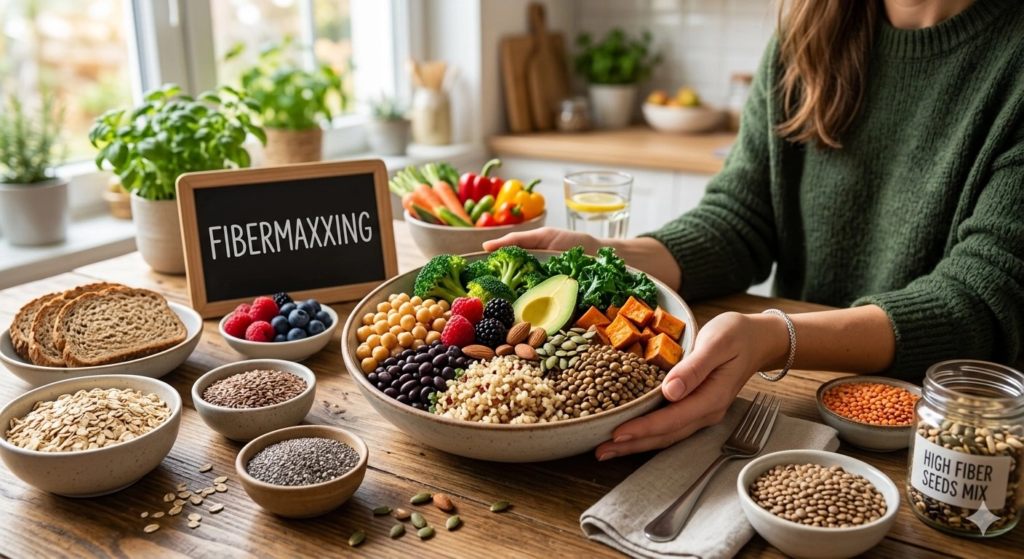
Fibermaxxing does not require a cupboard full of supplements. A high-fibre day could be surprisingly conventional.
Breakfast might be oats topped with raspberries and chia seeds. Lunch could include lentils, beans or chickpeas alongside vegetables and whole grains.
An apple, pear or handful of nuts can add fibre at snack time. Dinner might contain peas, broccoli, brown rice or another whole grain.
For perspective, Mayo Clinic lists approximately 8 grams of fibre in a cup of raspberries, around 5.5 grams in a medium pear, roughly 9 grams in a cup of cooked green peas and about 5 grams in a cup of cooked broccoli.
Those foods were healthy long before anyone added “maxxing” to their name.
Why this trend may survive TikTok
Most viral diets eventually run into the same problem: they ask people to maintain habits that are too restrictive, complicated or expensive to last.
Fibermaxxing may have better staying power because its most sensible version is remarkably easy to fold into everyday life.
It can be as simple as adding beans to a meal you already cook, choosing wholegrain bread, putting fruit on breakfast, eating more vegetables or keeping nuts nearby instead of reaching automatically for a highly processed snack.
The trend also overlaps with several larger shifts in food culture, including growing interest in the microbiome, plant-forward eating, digestive health, satiety and functional nutrition.
That matters because fibre is increasingly being reframed. It is no longer seen only as something linked to digestion or ageing, but as a deliberate wellness choice associated with gut health and long-term nutrition.
Consumer research suggests that younger shoppers in particular are beginning to view fibre as an ingredient worth actively seeking out rather than something that simply happens to be present in food.
That change in perception may prove more important than the hashtag itself.
If fibermaxxing lasts, it will probably be because the trend stops feeling like a trend at all and simply becomes part of how people think about a healthier plate.
Maybe fibre never needed rebranding
There is something slightly absurd about fibermaxxing.
One of nutrition’s oldest pieces of advice had to be renamed like a video-game strategy before people became interested in following it.
Yet if that rebranding convinces someone to eat lentils, fruit, vegetables or whole grains more often, dietitians are unlikely to complain.
The problem begins only when a useful idea becomes another optimisation contest.
The real lesson of fibermaxxing is not that everyone needs to consume extraordinary amounts of fibre.
It is that many people could benefit from consuming a little more than they do now, from a wider variety of foods, introduced gradually and consistently.
That is considerably less exciting than a viral wellness hack.
It is also much closer to what nutrition experts have been saying all along.
Don’t forget to follow us on Facebook | Instagram | Twitter | LinkedIn to get the latest updates from Cape Town Tribune