Pakistan carried out a new round of airstrikes inside Afghanistan on Thursday, widening a confrontation that has grown steadily more dangerous after months of accusations, border clashes and militant attacks.
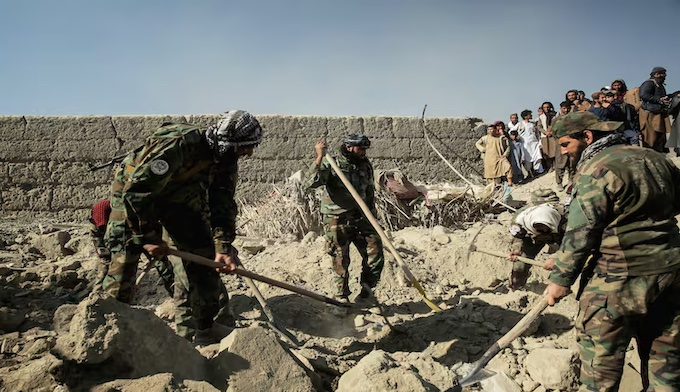
The strikes hit locations in Afghanistan’s eastern Kunar province and southern Helmand province, according to authorities on both sides. Pakistan said the operation was based on intelligence about militant hideouts and claimed 22 fighters were killed along with significant weapons and ammunition stocks.
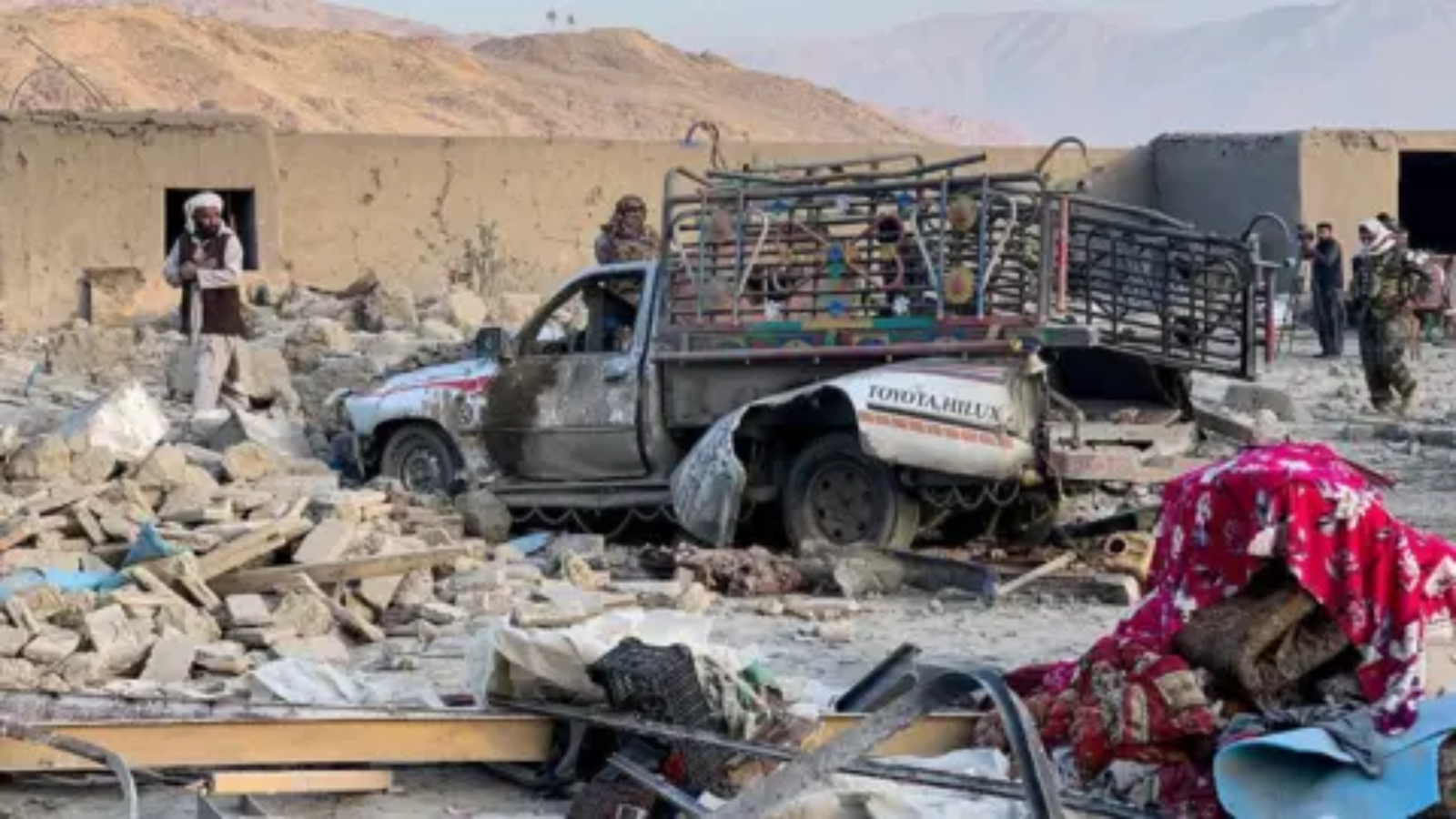
Afghanistan’s Taliban government gave a very different account. Spokesperson Zabihullah Mujahid said three homes were destroyed and nine people, including women and children, were killed. Eleven others were wounded. Reuters said it could not independently verify either side’s casualty figures.
The disagreement over who was killed is not incidental to the crisis. Islamabad describes its operations as necessary action against armed groups using Afghan territory to attack Pakistan. Kabul says Pakistan is violating Afghan sovereignty and blaming Afghanistan for security failures that should be addressed inside Pakistan.
What was once an uneasy relationship between Pakistan and the Taliban authorities in Kabul has become an increasingly open security confrontation.
Pakistan Says It Is Targeting Militants Operating From Afghanistan
Pakistan’s central allegation is that armed groups hostile to the Pakistani state are using Afghan territory as a base for attacks across the border.
The most important of those groups is Tehrik-e-Taliban Pakistan, commonly known as the TTP or Pakistani Taliban. It is organisationally separate from Afghanistan’s Taliban movement, although the two have longstanding ideological and historical ties.
The TTP has carried out repeated attacks against Pakistani security forces and government targets, particularly in the northwestern province of Khyber Pakhtunkhwa.
Islamabad argues that the group has been able to operate with greater freedom from Afghan territory since the Taliban returned to power in Kabul in 2021. The Afghan government denies providing sanctuary to militants attacking Pakistan and has repeatedly described Pakistan’s insurgency as an internal security problem.
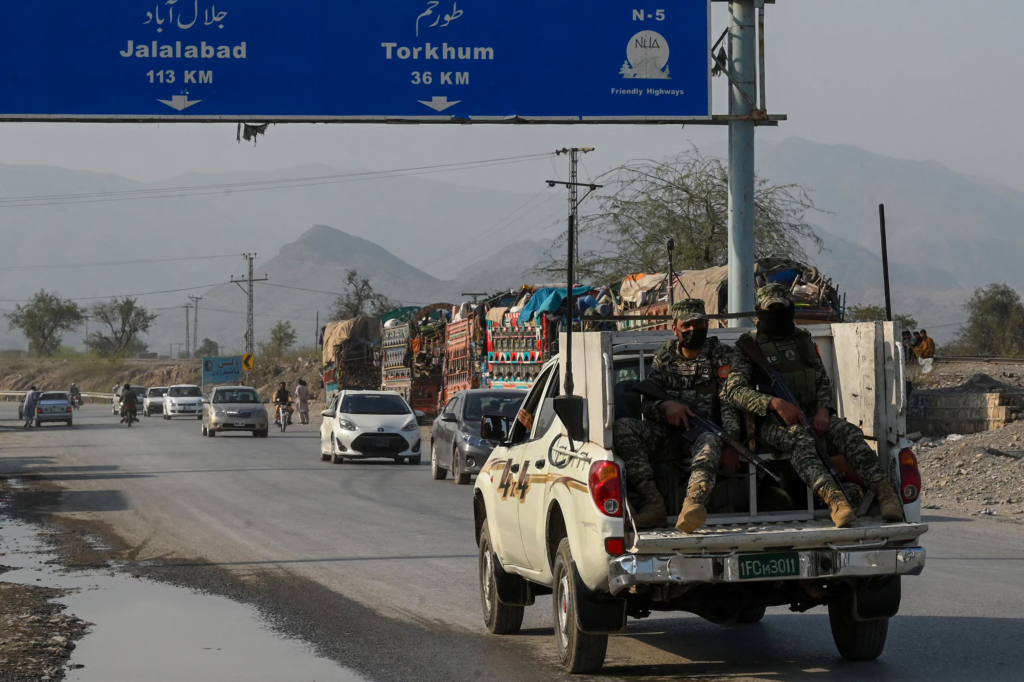
The dispute has become increasingly difficult to contain because attacks inside Pakistan have continued.
A recent assault on a police facility in northwestern Pakistan killed 24 people and helped trigger the latest cycle of retaliation, according to Reuters. Pakistan has also carried out several strikes against alleged militant positions inside Afghanistan over the past two weeks.
United Nations monitoring has previously reported a significant TTP presence in Afghanistan. A UN sanctions-monitoring report estimated the group had several thousand fighters and said member states had reported training facilities and operational support inside Afghanistan. Kabul has disputed allegations that it assists the organisation.
The existence of militant networks along the border is therefore well documented. What remains deeply contested is the extent of support they receive from Afghan authorities and whether Pakistan’s cross-border strikes are targeting those networks as precisely as Islamabad claims.
Kabul Says The Strikes Violated Afghan Sovereignty
Afghanistan’s Taliban government condemned the latest operation and described it as an attack on civilian homes.
That response reflects a broader issue that has repeatedly inflamed relations between the two governments: Pakistan may view militant bases across the border as legitimate security targets, but Kabul regards unilateral strikes inside Afghanistan as a direct violation of sovereignty.
Those positions leave little room for compromise when civilian casualties are alleged.
According to the Associated Press, Afghanistan said the latest attacks killed nine women and children and wounded 11 civilians. Pakistan’s Information Ministry said its forces had taken precautions to avoid civilian casualties and insisted the targets were militant hideouts. Neither account has been independently verified.
Similar disputes have followed earlier strikes. On September 21, Pakistan said air operations in Paktika and Kunar had killed 28 militants. Afghan officials and the United Nations said civilians were among those killed, including a man, a woman and a girl. Kabul summoned Pakistan’s chargé d’affaires in protest.
The repetition has made each new attack more politically difficult to contain.
Even when the immediate military objective is limited, every strike adds to Afghan accusations that Pakistan is treating its neighbour’s territory as an extension of its own counterterrorism battlefield.
The TTP Has Become The Central Fault Line Between Islamabad And Kabul
Relations between Pakistan and the Afghan Taliban were once considerably warmer.
Pakistan was one of the countries most closely associated with the Taliban during its first period in power in the 1990s, and many in Islamabad initially expected the Taliban’s return to Kabul in 2021 to improve Pakistan’s security position along its western frontier.
The reality turned out to be quite the opposite. TTP violence inside Pakistan increased, while Islamabad’s demands that the Taliban government take stronger action against the organisation produced little visible progress.
The relationship has deteriorated from private frustration into public accusation.
Pakistan increasingly argues that Kabul is either unwilling or unable to prevent anti-Pakistan militants from operating across the border. Afghan officials reject that characterisation and accuse Pakistan of using the TTP issue to justify military action inside Afghanistan.
Reuters reported last week that relations between the former partners have become openly hostile after repeated attacks, Pakistani airstrikes and clashes between security forces. Previous attempts at mediation, including efforts involving China, have produced periods of calm without resolving the underlying dispute.
That pattern is visible again now.
The latest strikes came after roughly three months of relative calm, but the underlying security dispute had never disappeared.
Border Violence Is Expanding Beyond Airstrikes
The confrontation is no longer confined to occasional Pakistani bombing raids.
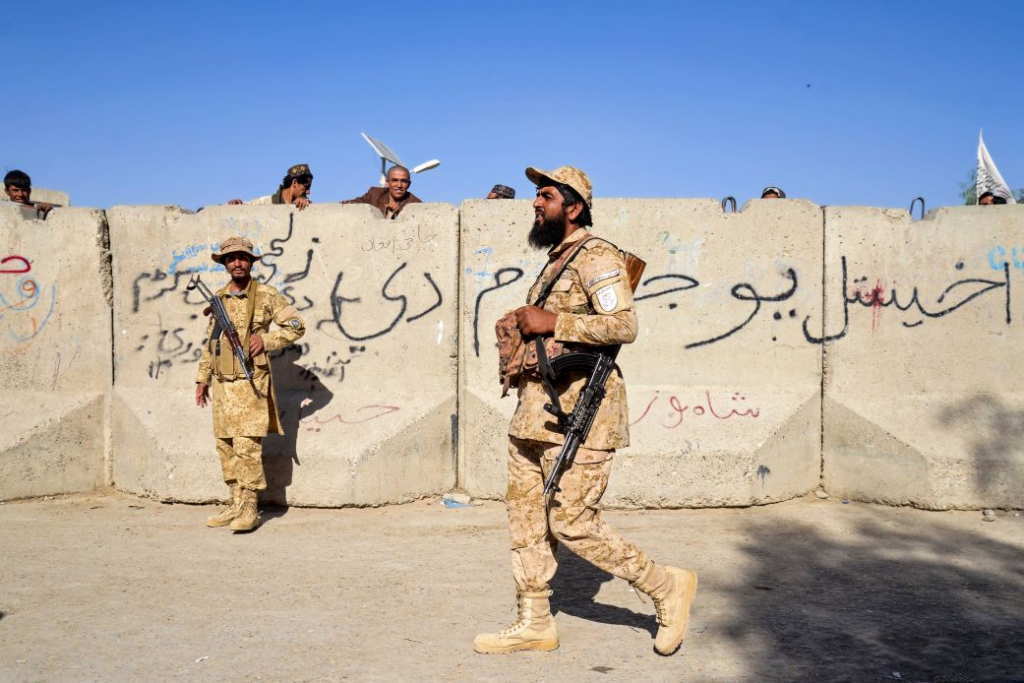
Border forces from the two countries have exchanged fire, and both governments have accused the other of supporting armed groups.
In late September, Pakistan said 13 Afghan Taliban personnel were killed during an overnight border clash. Afghanistan denied suffering those casualties and said its forces had instead destroyed a Pakistani position near Spin Boldak. Neither account could be independently confirmed.
Afghanistan, meanwhile, has accused fighters of crossing from Pakistan into its territory.
Its Defence Ministry said this week that Afghan forces had killed dozens of insurgents who entered the northeastern province of Nuristan from Pakistan, including fighters it described as members of Islamic State. Pakistan rejected allegations that it had supported them.
The competing accusations are beginning to mirror one another.Pakistan says Afghanistan shelters the TTP. Afghanistan says militants enter from Pakistan.
Both governments say they are defending their territory against armed groups operating with help from across the border.
That dynamic is particularly dangerous because it transforms militant violence into a dispute between states.
The Border Itself Remains Politically Sensitive
The geography of the conflict adds another layer of difficulty.
Pakistan and Afghanistan share a border of roughly 2,600 kilometres, much of it running through rugged mountainous terrain where communities, tribal networks and militant groups have moved across the frontier for generations.
The boundary, commonly known as the Durand Line, has itself remained politically contentious.
Pakistan treats it as the recognised international border. Successive Afghan governments have resisted formally accepting it in the same terms, contributing to periodic disputes over fencing, checkpoints and construction near the frontier.
Those disagreements are not the primary cause of the current crisis, but they make security cooperation harder.
Counterterrorism operations take place in an environment where even basic questions about border authority can become politically charged.
The terrain also gives armed groups opportunities to move through areas where state control is uneven, and surveillance is difficult.
For Pakistan, that strengthens the argument for cross-border action when it believes Afghan authorities are not removing militant camps.
For Afghanistan, it reinforces the fear that Pakistan is establishing a precedent for military intervention whenever it claims a threat exists on Afghan soil.
Neither Side Appears Close To Resolving The Security Dispute
The immediate military balance heavily favours Pakistan, which possesses a far larger and more sophisticated conventional force.
But air power does not resolve the underlying problem.
Militant groups operating across the Afghanistan-Pakistan border have survived years of military campaigns, leadership losses and political negotiations. Their ability to move through difficult terrain and exploit weak governance has repeatedly frustrated efforts to eliminate them.
Pakistan can strike suspected hideouts.
It cannot easily compel Kabul to accept Islamabad’s interpretation of the TTP problem.
The Taliban government, meanwhile, can condemn Pakistani operations and deny support for militants, but continued attacks inside Pakistan ensure that Islamabad will keep demanding more visible action.
This leaves both governments caught in a cycle in which each new militant attack increases the likelihood of another military response.
Civilian casualties, whether independently verified or disputed, make that cycle harder to interrupt by increasing domestic pressure on both sides.
A Regional Security Problem Is Becoming A Bilateral Conflict
The most serious risk is that a counterterrorism dispute continues evolving into a direct confrontation between Pakistan and Afghanistan.
There is little evidence that either government wants a conventional war.
Pakistan is already dealing with significant internal security and economic pressures. Afghanistan remains economically fragile and internationally isolated, while the Taliban government is still seeking greater diplomatic recognition.
Yet states do not always need to want a broader conflict for one to develop.
Repeated airstrikes, retaliatory border fire and accusations of supporting hostile armed groups can gradually narrow the political space for restraint.
The latest Pakistani strikes therefore matter beyond the immediate question of whether nine civilians or 22 militants were killed.
Those claims remain contested. What is considerably clearer is that the relationship between Islamabad and Kabul has entered another period of serious instability.
Pakistan believes armed groups operating from Afghan territory are killing its citizens and security personnel. Afghanistan believes Pakistan is responding by violating its territory and killing civilians.
Unless the two governments find a credible mechanism for dealing with militant activity along the border, the argument over responsibility is likely to continue being settled not through diplomacy, but through increasingly frequent military action.
That would leave both countries confronting a problem neither has so far been able to contain.
Don’t forget to follow us on Facebook | Instagram | Twitter | LinkedIn to get the latest updates from Cape Town Tribune