


The International Booker Prize 2026 marks ten years since the award took its current form, and the anniversary lands in a year already packed with literary headlines. From a translated novel making history in Taiwan to a main Booker Prize longlist stacked with former winners, 2026 is shaping up to be one of the most closely watched literary award seasons in recent memory. Here’s everything readers need to know about why the International Booker Prize 2026 season matters.
What Is the International Booker Prize 2026?
Before diving into this year’s news, it helps to clear up a common point of confusion: “the Booker Prize” actually refers to two related but separate awards.
- The Booker Prize (established in 1969) honors the best long-form fiction originally written in English and published in the UK or Ireland.
- The International Booker Prize honors fiction from any language, translated into English and published in the UK or Ireland, with the £50,000 prize split equally between author and translator.
Both prizes have generated major news in 2026, but it’s the International Booker Prize 2026 season that carries the extra historical weight this year, thanks to its 10th-anniversary milestone.
A Decade in the Making: The Story Behind International Booker Prize 2026
The prize traces its roots to 2005, when it launched as the Man Booker International Prize, a biennial award for an author’s entire body of work, open to writers in any language, including English. That format changed in 2016, when organizers relaunched it in its current shape: an annual award for a single translated book, with prize money shared equally between author and translator.
The first winner under this new format was Han Kang’s The Vegetarian, translated from Korean by Deborah Smith. It’s a fitting story to build an anniversary around. Han’s win in 2016 introduced many English-language readers to her work for the first time. Eight years later, she became the first Korean writer and the first Asian woman to win the Nobel Prize in Literature.
Since the relaunch, the prize has crowned ten winning books translated from ten different languages, spanning Arabic, Polish, Bulgarian, and Kannada, among others. That range reflects the mission behind the International Booker Prize 2026 milestone: expanding what “world-class fiction” means to English-language readers, one translated book at a time.
Four Nobel Laureates in Ten Years
Han Kang isn’t the only International Booker–recognized writer to go on to literature’s highest honor. Three other laureates have followed the same path since 2016:
- Olga Tokarczuk — International Booker Prize winner, later awarded the Nobel Prize in Literature
- Annie Ernaux — International Booker Prize–shortlisted author, later awarded the Nobel Prize in Literature
- Jon Fosse — International Booker Prize–recognized author, later awarded the Nobel Prize in Literature
Four Nobel laureates out of ten years of winners is a striking track record. It has effectively turned the International Booker Prize into something close to a leading indicator for the literary world’s most prestigious award, and it’s a big part of why the International Booker Prize 2026 anniversary is being treated as a genuine cultural milestone rather than just an industry footnote.
The International Booker Prize 2026 Winner: Taiwan Travelogue
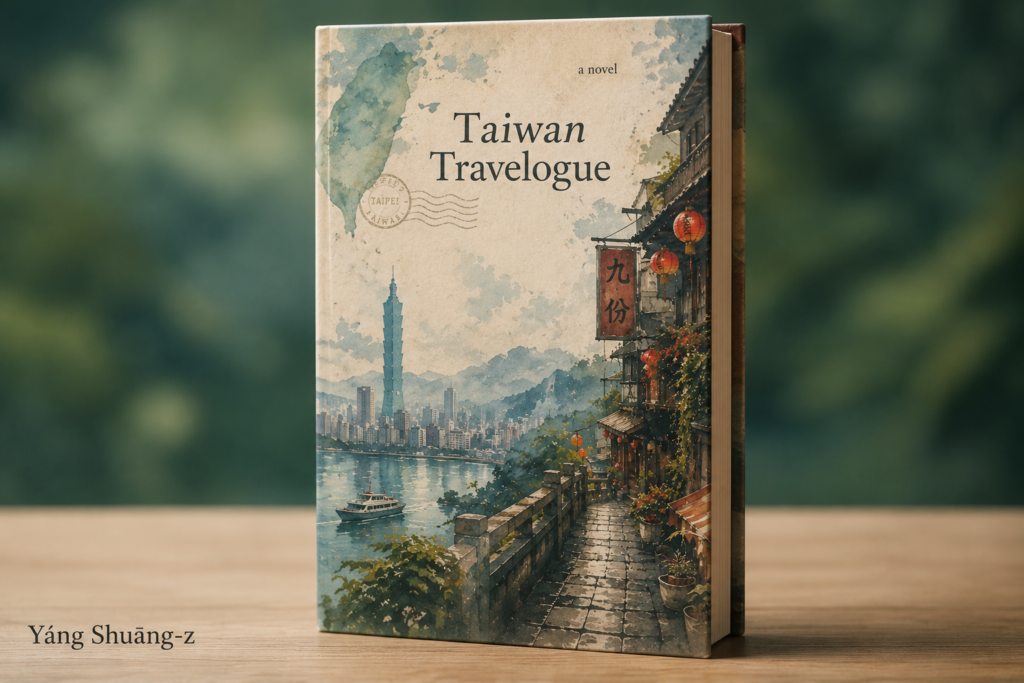
Fittingly for an anniversary year, the International Booker Prize 2026 winner made its own history. Taiwan Travelogue, written by Yáng Shuāng-zǐ and translated by Lin King, became the first novel translated from Taiwanese Mandarin to win the prize.
Structured as a fictional rediscovered travel memoir, the novel follows two women on a culinary journey across 1930s Japanese-controlled Taiwan. It uses food, history, and colonial power dynamics to explore questions of identity, memory, and love.
The shortlist that preceded the win was itself a snapshot of the prize’s global range, with finalists exploring rural Albanian tribal life, Tehran in 1979, and Nazi-era Germany. Together, these stories highlight what the International Booker Prize 2026 shortlist does best: connecting sweeping historical moments to intensely personal fiction.
To mark the anniversary, the Booker Prize Foundation held a dedicated 10th-anniversary celebration at London’s Southbank Centre in May 2026, bringing together past winners and translators to reflect on a decade of expanding what gets read in English.
[Suggested image: cover of “Taiwan Travelogue” by Yáng Shuāng-zǐ — Alt text: “International Booker Prize 2026 winner Taiwan Travelogue book cover”]
The Main Booker Prize 2026 Longlist: A Parallel Story
While the International Booker Prize 2026 season was busy marking its anniversary, the original Booker Prize generated its own headlines. The 2026 longlist — nicknamed the “Booker Dozen” was announced in late July, featuring 13 novels selected from 163 submissions.
Chaired by classicist and broadcaster Mary Beard, this year’s judging panel also includes poet Raymond Antrobus, musician and broadcaster Jarvis Cocker, journalist Rebecca Liu, and Booker-shortlisted novelist Patricia Lockwood, a lineup that has drawn attention for bringing perspectives from music and poetry into the judging process.
What makes this year’s main Booker Prize longlist especially notable:
- Two former winners are back in contention. Douglas Stuart, who won in 2020 for Shuggie Bain, and Marlon James, who won in 2015 for A Brief History of Seven Killings, both return with new novels.
- A three-time nominee is in the running again. Elizabeth Strout appears on the list for a third time, this time for The Things We Never Say.
- Three debut novelists made the cut, continuing the prize’s tradition of using the longlist to introduce new literary voices alongside established names.
- The settings span the globe. This year’s Booker Dozen moves readers from Mexico City and 1980s Kingston to the Outer Hebrides, coastal Massachusetts, Zurich, and a post-apocalyptic vision of Britain.
The list represents authors from seven countries, reinforcing a broader trend: even the “English-language” Booker Prize increasingly reflects a global pool of writers, echoing the same spirit driving the International Booker Prize 2026 celebrations.
Key Dates for the Booker Prize 2026 Season
| Milestone | Date |
|---|---|
| Main Booker Prize longlist announced | July 28, 2026 |
| Main Booker Prize shortlist announced | September 22, 2026 |
| Main Booker Prize winner announced | November 9, 2026 |
| Main Booker Prize award | £50,000 (winner), £2,500 (each shortlisted author) |
For readers and industry watchers, this convergence is an anniversary year for the International Booker Prize 2026 layered on top of a headline-grabbing main Booker longlist, thus making the current season one of the most closely followed in the prize’s history.
Why the International Booker Prize 2026 Matters for Readers Everywhere
The International Booker Prize’s decade-long track record of spotlighting future Nobel laureates says something bigger than literary trivia. Translated fiction, once treated as a niche category, has become a genuine engine for discovering the world’s most significant storytellers before the rest of the world catches on.
For publishers, translators, and everyday readers alike, the International Booker Prize 2026 milestone is a reminder that some of the most important stories being told today aren’t originally written in English at all — they just haven’t been discovered yet. You can browse the full history of past winners on the official Booker Prizes website or read author profiles directly from the Nobel Prize’s official site to see how many literary careers the two awards now share.
Frequently Asked Questions
What is the International Booker Prize 2026 anniversary about? 2026 marks ten years since the International Booker Prize was relaunched in its current annual format in 2016, when Han Kang’s The Vegetarian became the first winner under the new structure.
Who won the International Booker Prize 2026? Taiwan Travelogue by Yáng Shuāng-zǐ, translated by Lin King, won the International Booker Prize 2026, the first novel translated from Taiwanese Mandarin to receive the award.
How is the International Booker Prize different from the main Booker Prize? The International Booker Prize honors fiction translated into English from any language, with the prize split between author and translator, while the main Booker Prize honors fiction originally written in English
Don’t forget to follow us on Facebook | Instagram | Twitter | LinkedIn to get the latest updates from Cape Town Tribune