
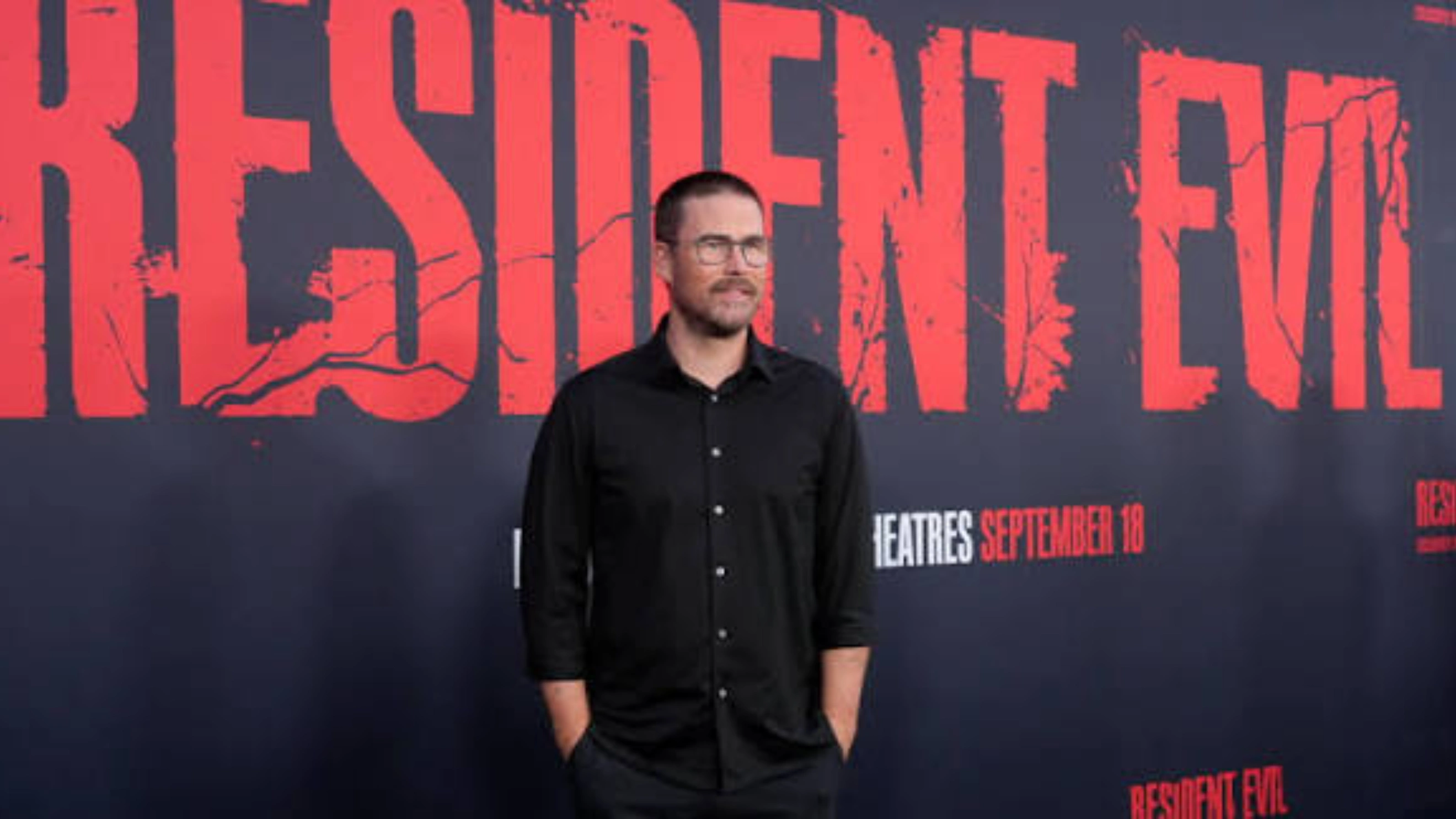
Zach Cregger’s Resident Evil has opened far above industry expectations, delivering an estimated $60 million in North America and $108.3 million worldwide in its first weekend and setting a new opening record for the long-running horror franchise.
The Sony Pictures release earned its domestic total from 3,684 cinemas across the United States and Canada between September 18 and 20. International markets contributed another $48.3 million, according to studio estimates released Sunday. Final weekend figures are expected to be confirmed Monday.
The result represents a significant turnaround for a film series that has remained commercially valuable for more than two decades but had struggled to establish a convincing new theatrical direction after the end of the Milla Jovovich-led films.
More importantly for Sony, the Resident Evil box office performance exceeded forecasts that had placed the film’s North American opening at roughly $40 million to $50 million. The $60 million estimate gives Cregger the largest opening of his directing career and more than doubles the franchise’s previous opening-weekend record.
A Franchise Record by a Wide Margin

Before this weekend, Resident Evil: Afterlife held the series record for a North American debut. The 2010 film opened with approximately $26.65 million.
Cregger’s film has now surpassed that figure by more than $33 million.
The comparison becomes even more striking when measured against the complete domestic runs of previous films in the series. The original Resident Evil, released in 2002, earned about $40.1 million during its entire North American theatrical run. Resident Evil: Apocalypse finished with about $51.2 million, while Resident Evil: Extinction reached $50.6 million.
The new film has effectively matched or surpassed those totals in a single weekend. Only Resident Evil: Afterlife, which ultimately earned about $60.1 million domestically, remained marginally ahead of the new film’s Sunday estimate.
That distinction may be short-lived. Even a modest Monday performance would take the 2026 film beyond Afterlife to become the highest-grossing Resident Evil film ever in North America in nominal terms.
The franchise has traditionally relied heavily on international markets. Resident Evil: The Final Chapter, for example, earned more than $314 million worldwide despite taking in less than $27 million domestically. Cregger’s version is starting from a very different position, with North America accounting for slightly more than half of its initial global revenue.
Zach Cregger Has Become Part of the Attraction
The opening also confirms the growing commercial significance of Cregger himself. The filmmaker first established his horror credentials with Barbarian in 2022, a comparatively inexpensive production that eventually earned more than $46 million worldwide.
He followed it with Weapons, which became a much larger theatrical success in 2025, collecting about $270 million against a reported production budget of $38 million. Resident Evil represents another increase in scale.
The film reportedly cost approximately $75 million to produce, excluding marketing expenses. Its $108.3 million global opening does not mean that the production has already become profitable, since cinemas retain a portion of ticket revenue and advertising costs are separate from the production budget. It does, however, place the film in a strong commercial position after only a few days in release.
Cregger’s involvement also appears to have provided something that previous attempts to reboot the franchise lacked: a filmmaker whose name itself has become meaningful to horror audiences.
Paul Dergarabedian, head of marketplace trends at Rentrak, told the Associated Press that certain directors effectively become part of a film’s attraction. His assessment of the weekend was simple: combining Cregger with a recognizable franchise had produced substantial audience interest.
The numbers support that argument. Resident Evil also surpassed the roughly $43.5 million opening of Weapons, giving Cregger a new personal box-office record.
Strong Reviews Helped Change Expectations
Critical reception appears to have played an important role in the film’s performance.
The latest Resident Evil held a 95% critics’ score on Rotten Tomatoes following its opening weekend, an unusually strong result for a franchise whose previous live-action entries generally received mixed or negative reviews. The film also held a 91% verified audience score on the platform at the time of reporting.
Opening audiences awarded the film a B+ CinemaScore, while PostTrak data indicated that 66% of the domestic audience was male and 75% was under the age of 35.
Positive reviews arrived at an important moment. Earlier tracking suggested a debut closer to the $40 million range. Advance sales accelerated after strong critical notices emerged, and the film earned $8.8 million from Thursday previews before collecting an estimated $26.3 million on its opening day.
The combination of established intellectual property and positive reviews created an unusual position for the franchise. Audiences familiar with the games had a recognizable title, while viewers with little attachment to the existing mythology could approach the film as a standalone horror release.
A Different Approach to Resident Evil
Rather than directly adapting one of Capcom’s established game narratives, Cregger and co-writer Shay Hatten created a new story inside the Resident Evil universe.
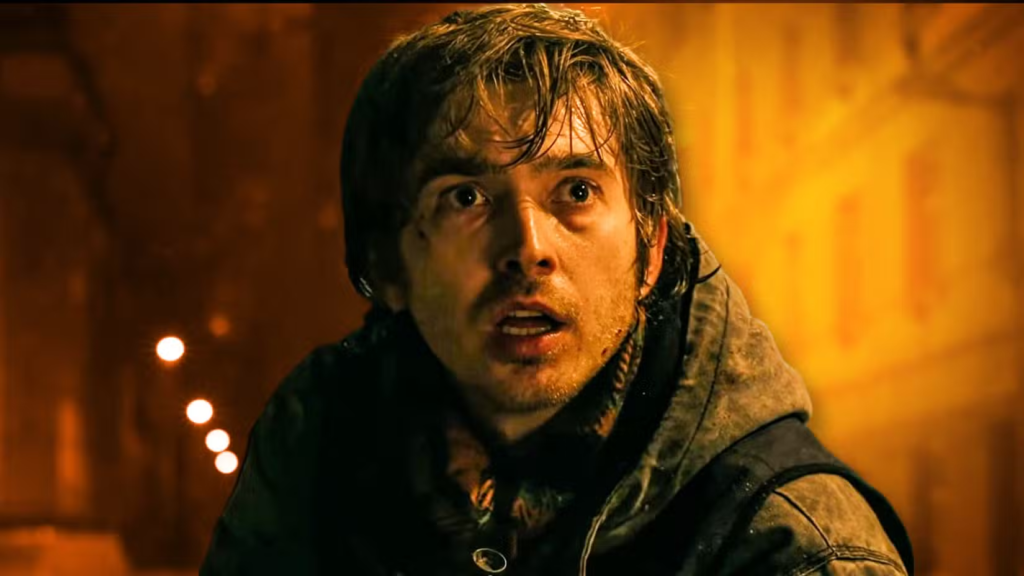
Austin Abrams, who previously worked with Cregger on Weapons, plays Bryan, a medical courier whose final delivery of the night takes him into Raccoon City as an infection spreads and turns the assignment into a fight for survival.
The cast also includes Zach Cherry, Kali Reis, Paul Walter Hauser and Johnno Wilson.
Cregger has said that although he had not watched the previous Resident Evil movies before taking on the project, he had a long-standing relationship with the video games. His film consequently draws from the experience and mechanics of survival horror without simply recreating familiar protagonists or storylines from the games.
Hollywood’s relationship with video-game adaptations has changed considerably since the first Resident Evil arrived in cinemas in 2002. Studios are no longer treating games simply as recognizable brands from which a loosely related film can be constructed. Recent commercial successes have encouraged producers to look more closely at why audiences connect with games in the first place.
Cregger’s solution was not strict narrative reproduction. Instead, the film attempts to recreate the tension, uncertainty, and progression associated with playing a survival-horror game while still functioning as an independent story. The early box-office numbers suggest audiences were prepared to accept that interpretation.
Resident Evil Arrives During a Major Year for Horror
The success is also part of a much wider box-office pattern. Horror has been one of the strongest theatrical categories of 2026. Rentrak estimates show that horror films have already generated more than $1.1 billion at the North American box office this year.
Entertainment Weekly reported that the category has reached approximately $1.16 billion domestically, matching the previous annual high recorded in 2017 with more than three months still remaining in 2026.
Films including Obsession and Backrooms have contributed to that performance, while Resident Evil adds another major commercial result to the year.
The significance extends beyond the horror category. The film’s $60 million weekend ranks among the stronger September debuts in North American box-office history. The result currently places Resident Evil eighth among the largest September weekends on record.
It also provided a substantial lift to the overall market. Resident Evil earned almost five times as much as the weekend’s second-place film, Practical Magic 2, which collected approximately $12.2 million.
Spider-Man: Brand New Day followed with $6.5 million, while The Odyssey earned another $4.9 million and Coyote vs. Acme took $4.5 million.
The International Market Will Be Critical
The next stage of the film’s theatrical run will determine whether the opening develops into one of the franchise’s biggest overall successes.
The $48.3 million international debut provides a considerable starting point. Individual markets included approximately $5.8 million in the United Kingdom, $5.6 million in Mexico, $2.6 million each in France and Australia, $2.5 million in Germany and $1.1 million in India, according to Box Office Mojo’s initial figures.
The benchmark remains Resident Evil: The Final Chapter. Released internationally beginning in late 2016 and in North America in January 2017, it ultimately became the franchise’s highest-grossing live-action film with approximately $314 million worldwide. Afterlife reached nearly $296 million globally, while Retribution earned around $241 million.
Whether the new film reaches those totals will depend heavily on its second-weekend decline and its ability to maintain international demand.
Horror releases frequently generate a large portion of their revenue during their opening weekends, making audience retention particularly important. Cregger’s recent films, however, have demonstrated stronger staying power than many horror titles, while the positive reviews surrounding Resident Evil may help sustain interest.
What the Opening Means for the Franchise
Sony has not needed much time to establish that there remains a theatrical audience for Resident Evil. The more important question is what the studio chooses to do with that audience.
The 2021 reboot, Resident Evil: Welcome to Raccoon City, opened with only about $5.3 million domestically and finished with approximately $41.9 million worldwide. The new film has earned more globally in its opening weekend than that movie collected during its entire theatrical run.
That comparison changes the commercial discussion surrounding the property. The franchise no longer has to demonstrate that another theatrical version can attract an audience.
Instead, Sony and its production partners will have to decide how to develop a series around Cregger’s interpretation without losing the qualities that differentiated it from previous adaptations.
For now, the Resident Evil box office result is clear. A franchise that began its theatrical life 24 years ago has just produced its largest opening weekend, while its latest director has delivered the biggest debut of his career.
At $60 million domestically and $108.3 million worldwide, the first weekend has already reset expectations for what a Resident Evil film can earn in North America.
What happens from the second weekend onward will determine whether the opening is simply a franchise record or the beginning of a substantially larger theatrical run.
Don’t forget to follow us on Facebook | Instagram | Twitter | LinkedIn to get the latest updates from Cape Town Tribune