
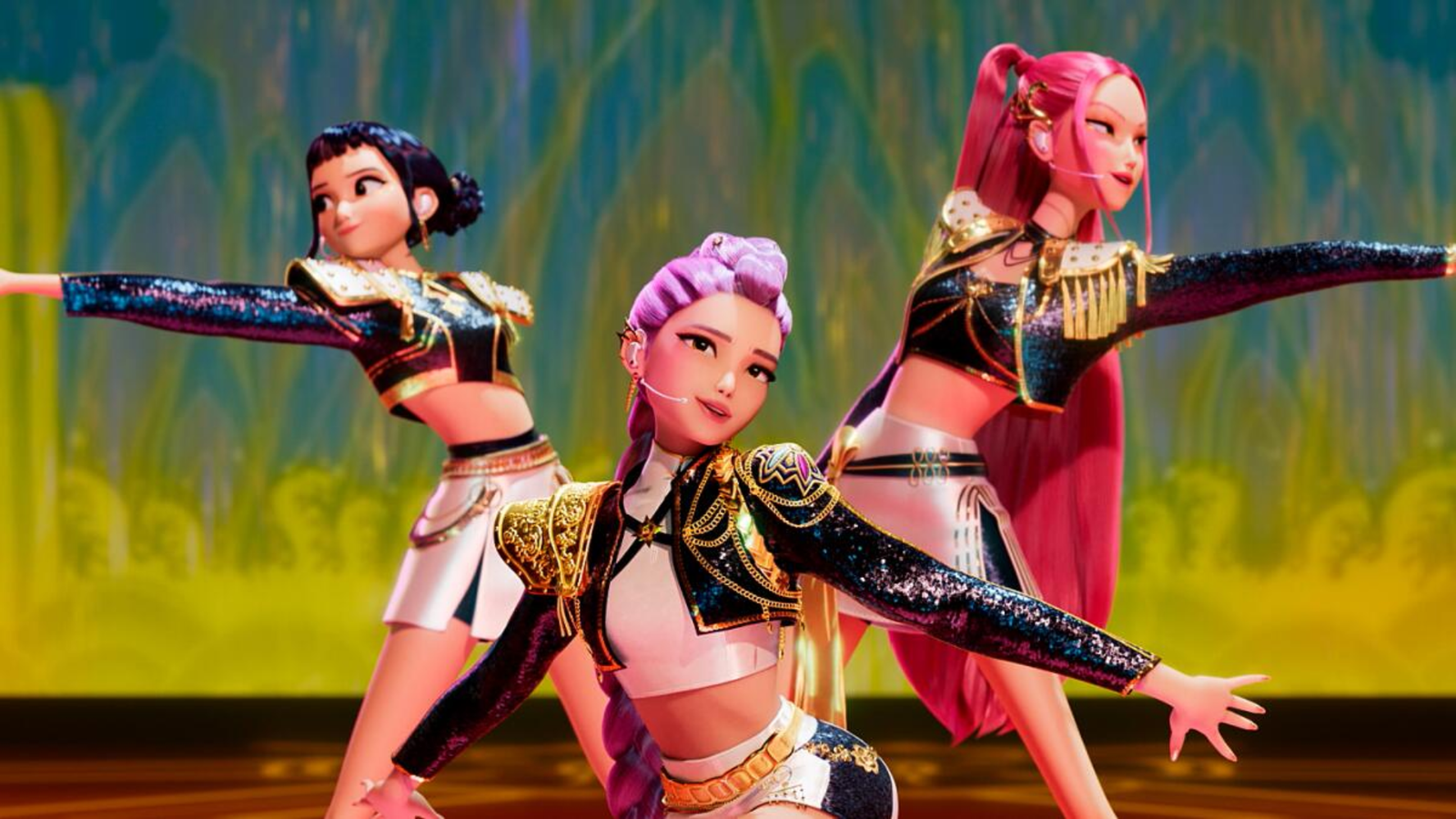

Netflix’s wildly successful KPop Demon Hunters franchise has spent the past year conquering streaming charts, music playlists and global fandom, but its latest battle is unfolding far away from the colourful animated world of Rumi, Mira and Zoey.
Christian metal band Demon Hunter has filed a lawsuit against Netflix, Netflix Studios and concert promoter AEG Presents, alleging trademark infringement and unfair competition connected with the increasingly valuable KPop Demon Hunters brand.
The KPop Demon Hunters lawsuit, filed in California federal court on August 18, 2026, centres on whether Netflix’s expanding use of the name could create confusion with Demon Hunter, a band that has performed, released music, sold merchandise, and toured under its name for more than two decades.
What initially might sound like an unusual clash between an animated K-pop phenomenon and a Christian metal band becomes considerably more serious when the commercial footprint of both brands is examined. Netflix has transformed KPop Demon Hunters from a hit movie into a much wider entertainment property involving music, merchandise and live experiences, which are precisely the areas in which Demon Hunter says its existing trademark rights are being affected.
The lawsuit therefore raises a much broader question than whether two entertainment properties happen to have similar names. It asks whether the extraordinary commercial success of Netflix’s franchise has pushed the company into territory already occupied by an established musical act.
Why Is Demon Hunter Suing Netflix?
The company behind Demon Hunter, Hyde Lane Inc., alleges that Netflix’s use of the KPop Demon Hunters name has created a likelihood of consumer confusion and threatens to overwhelm the identity the band has spent years building.
According to Reuters, the complaint focuses particularly on Netflix’s expansion into recorded music, merchandise and live performances, all of which bring the franchise closer to the traditional business of a touring band.
That distinction could become important as the case develops.
A streaming movie and a metal band might initially appear to operate in entirely separate markets, but KPop Demon Hunters is no longer confined to a streaming platform. Its songs have become major music releases, its characters appear on merchandise, and Netflix has expanded the property into live entertainment.
Demon Hunter argues that this growing overlap makes consumer confusion increasingly plausible.
The lawsuit also includes examples that the band claims demonstrate that such confusion has already occurred, giving the dispute a practical dimension rather than leaving it as an entirely theoretical trademark argument.
The $500 Ticket Mix-Up at the Centre of the Case
One of the most striking details in the KPop Demon Hunters lawsuit involves an alleged concert ticket mistake that neatly illustrates the band’s concerns.
According to reports describing the complaint, a customer reportedly spent around $500 on tickets for a Demon Hunter concert in Albany, New York, believing that the tickets were for a KPop Demon Hunters event they intended to attend with two young children.
After discovering the mistake, the customer allegedly contacted Demon Hunter and requested a refund so they could purchase tickets for the event they had originally intended to see.
For casual observers, the incident may sound like an amusing mix-up involving two very different musical worlds, but actual instances of consumer confusion can attract significant attention in trademark disputes.
Demon Hunter has reportedly cited additional examples as well, including social media users mistakenly associating the band with Netflix’s animated franchise and a media inquiry relating to KPop Demon Hunters that was allegedly directed to the band.
None of these incidents alone determines whether Netflix has infringed the band’s trademarks, and the court will ultimately have to evaluate the evidence and legal arguments presented by both sides. Nevertheless, the examples help explain why Demon Hunter believes the rapid expansion of Netflix’s franchise is affecting its own brand.
Who Is Demon Hunter?
The band at the centre of the dispute existed long before Netflix introduced audiences to HUNTR/X and the supernatural world of KPop Demon Hunters.
Demon Hunter is an American Christian metal band formed in 2000, with brothers Ryan and Don Clark among its founders. Over the following decades, the group established itself through albums, touring, merchandise, and a dedicated audience within heavy music and Christian rock circles.
That history is important because Demon Hunter’s argument depends heavily on the fact that it has operated under the name for many years.
The band is not claiming that Netflix copied its musical style or created characters resembling its members. Instead, the dispute concerns the commercial use of a name and whether that use is likely to confuse consumers when both parties increasingly operate in similar areas of entertainment.
Trademark law generally focuses on factors such as the similarity of marks, the strength of an existing brand, the overlap between products or services, and the likelihood that consumers might incorrectly assume that two businesses are connected.
That is why the expansion of KPop Demon Hunters beyond the movie itself has become particularly significant.
Netflix Has Turned KPop Demon Hunters Into a Global Entertainment Powerhouse
The scale of Netflix’s success explains why the Demon Hunter Netflix lawsuit has attracted considerably more attention than an ordinary trademark dispute.
Netflix says KPop Demon Hunters has surpassed 600 million views worldwide, making it the most popular original title in the company’s history.
The film also reached Netflix’s Top 10 rankings in all 93 countries where the company publishes them and achieved the number one position in dozens of markets.
Those statistics demonstrate how quickly the film moved from a successful animated release to a worldwide cultural phenomenon.
The story follows K-pop stars Rumi, Mira, and Zoey, who perform as the group HUNTR/X while secretly protecting their fans from supernatural threats. The film combines K-pop, fantasy, comedy, and action, creating a premise that proved unusually effective with international audiences.
Its music became an important part of that success, with songs from the film gaining popularity well beyond the movie itself.
Netflix subsequently began treating KPop Demon Hunters as a broader franchise rather than a single streaming title. That expansion included merchandise, branded experiences, and plans for live performances.
For Netflix, such development represents the natural evolution of a global hit. For Demon Hunter, however, every step deeper into music and live entertainment potentially increases the overlap between the two brands.
Why the KPop Demon Hunters Tour Matters
One of the most important developments in the dispute may be Netflix’s move into live entertainment.
Netflix partnered with AEG Presents to develop live events associated with KPop Demon Hunters, bringing the fictional musical universe of HUNTR/X into real concert venues.
From a business perspective, the move is easy to understand. Fans who streamed the movie and listened to the soundtrack represent a ready-made audience for live experiences.
From Demon Hunter’s perspective, however, the move presents a different problem.
Both brands can now appear in concert listings, ticket searches, music-related searches, and merchandise marketplaces. The likelihood of encountering both names within similar commercial environments therefore becomes much greater.
This overlap helps explain why AEG Presents was also named in the lawsuit.
Demon Hunter argues that Netflix’s expansion into touring could further eclipse its identity and make it increasingly difficult for consumers searching for the band to distinguish between the two entertainment properties.
The situation demonstrates how quickly modern entertainment franchises can move beyond their original medium. A successful streaming film can now become a soundtrack, merchandise line, touring experience, and consumer brand within a relatively short period.
That commercial expansion can create opportunities, but it can also expose studios to legal disputes that might not have seemed particularly significant when the original movie title was selected.
What Does Demon Hunter Want From Netflix?
Demon Hunter is seeking more than a public clarification that the band has no connection with Netflix’s franchise.
According to reporting on the case, the band wants the court to restrict allegedly infringing uses of the KPop Demon Hunters name in commercial areas such as recorded music, merchandise, and live performances.
The lawsuit also seeks monetary damages.
The potential consequences therefore extend beyond an ordinary disagreement over branding.
If Demon Hunter succeeds in establishing that Netflix’s use of the mark creates unlawful consumer confusion, the outcome could affect how certain parts of the franchise are promoted or marketed.
However, it is important to distinguish the band’s requested remedies from what has actually happened in court.
As of August 20, 2026, no court has ruled that Netflix infringed Demon Hunter’s trademarks, and no order has required Netflix to rename the movie or discontinue the franchise.
The claims remain allegations that Netflix and the other defendants will have an opportunity to contest.
Could Netflix Be Forced to Rename KPop Demon Hunters?
The possibility of a name change is likely to generate considerable interest among fans, particularly because the title has become so closely associated with the franchise.
At present, there is no basis for saying that Netflix will be forced to rename KPop Demon Hunters.
Trademark litigation can result in many different outcomes, including dismissal of claims, court-imposed restrictions, negotiated licensing arrangements, or private settlements.
Even if Demon Hunter ultimately succeeds on some of its claims, any remedy could potentially focus on specific categories such as concerts or merchandise rather than requiring Netflix to erase the title from the original film.
The exact consequences would depend on how the court interprets the parties’ trademark rights and the degree of commercial overlap.
That uncertainty is one reason the case will be worth following closely.
Netflix has already invested heavily in turning KPop Demon Hunters into an internationally recognisable property, which makes the name itself extraordinarily valuable.
Demon Hunter, meanwhile, has an equally obvious reason to protect the identity under which it has spent more than two decades building its career.
Why This Lawsuit Is Bigger Than a Battle Over a Movie Title
The KPop Demon Hunters trademark dispute illustrates an important change in the entertainment industry.
Studios increasingly design successful films and television shows as potential franchises that can expand across multiple forms of media and commerce.
A hit movie can produce music, toys, clothing, games, immersive experiences, and live performances. In some cases, the franchise eventually operates in far more commercial categories than the original production ever did.
That creates enormous revenue opportunities, but it can also create new intellectual property complications.
A title that appears relatively harmless when attached only to a movie can become far more commercially significant when the same name starts appearing on concert tickets, music platforms, and merchandise.
That is precisely the transition that appears to have intensified the dispute between Demon Hunter and Netflix.
The case could therefore become an interesting example of how trademark law interacts with the modern franchise economy, where entertainment brands can expand from one medium into several others almost overnight.
Does the Lawsuit Put the Future of KPop Demon Hunters at Risk?
For fans, the most important point is that there is currently no indication that the lawsuit has stopped Netflix from continuing to develop the KPop Demon Hunters franchise.
The filing of a trademark lawsuit does not automatically suspend a movie, sequel, concert tour, or other project.
The dispute could, however, create uncertainty around how the name is used in certain commercial categories if the case moves forward.
That distinction matters because the central legal issue is not necessarily whether Netflix can continue telling stories about Rumi, Mira, and Zoey.
The more specific issue is whether Netflix can continue using the KPop Demon Hunters branding across music, live entertainment, and merchandise without infringing rights claimed by Demon Hunter.
Fans therefore have little reason to assume that the entire franchise is suddenly facing cancellation.
The more realistic question is whether Netflix eventually decides to adjust some branding, negotiate a settlement, or fight the case through the courts.
Why Netflix Has So Much at Stake
The extraordinary popularity of KPop Demon Hunters means Netflix has substantial commercial incentives to defend the brand.
A franchise that attracts more than 600 million views is not simply another title in a streaming catalogue.
It represents an opportunity to build a long-term entertainment property capable of generating revenue from music, consumer products, live entertainment, and future screen projects.
That makes trademark certainty extremely valuable.
A successful entertainment franchise depends partly on audiences immediately recognising its name across different products and experiences. Any restrictions on how that name can be used could complicate the kind of global brand expansion Netflix appears to be pursuing.
Demon Hunter faces a different but equally understandable concern.
The band argues that the enormous visibility of Netflix’s property could overwhelm its own search presence and commercial identity, making the phrase “Demon Hunter” increasingly associated with a much larger entertainment franchise rather than the band that has used the name for decades.
The imbalance in scale between the two brands could become an important part of the public conversation surrounding the case, even though the legal outcome will depend on trademark law rather than popularity alone.
What Happens Next?
Netflix and the other defendants will have the opportunity to respond formally to the allegations as the case progresses through federal court.
The legal arguments could eventually examine the strength of Demon Hunter’s trademark rights, similarities between the names, the extent of overlap between the parties’ businesses, and evidence concerning actual or potential consumer confusion.
The case could also end before reaching a full trial if the parties decide that a negotiated agreement is commercially preferable to prolonged litigation.
Such settlements are common in intellectual property disputes because both sides can face considerable costs and uncertainty when litigation continues for years.
Netflix wants the freedom to continue expanding one of its most successful entertainment properties, while Demon Hunter wants to protect a name it has spent more than two decades establishing.
Whether those interests can coexist through an agreement remains to be seen.
The Bottom Line
The KPop Demon Hunters lawsuit has transformed one of Netflix’s biggest entertainment successes into a fascinating real-world trademark battle.
Demon Hunter alleges that Netflix’s blockbuster franchise is creating consumer confusion as it expands into music, merchandise, and live performances, areas that increasingly overlap with the business of the long-established metal band.
The alleged $500 concert ticket mix-up gives the lawsuit an unusually memorable example of the confusion Demon Hunter says it is trying to prevent, but the ultimate legal question will require a much broader assessment of trademarks, markets, and consumer perception.
Netflix has not been found liable for trademark infringement, and there is currently no court order requiring the company to rename KPop Demon Hunters or halt the franchise.
What makes the case particularly compelling is the sheer size of the property involved.
Netflix says KPop Demon Hunters has surpassed 600 million views and reached audiences across virtually every market in which the company publishes rankings. As the franchise becomes more valuable, so does the importance of the name attached to it.
The animated demon hunters may have conquered the streaming world, but their latest battle demonstrates that building a global entertainment empire can produce challenges that no supernatural villain could have predicted. This time, the fight is over a trademark.
Don’t forget to follow us on Facebook | Instagram | Twitter | LinkedIn to get the latest updates from Cape Town Tribune