
The Ebola outbreak has become the deadliest the Democratic Republic of the Congo has recorded, with a fast-moving epidemic exposing weaknesses in disease surveillance, clinical care and emergency response in communities already facing severe humanitarian pressure.
According to the World Health Organization’s latest published situation report, containing data through September 6, 2026, the Democratic Republic of the Congo had recorded 6,686 confirmed cases of Bundibugyo virus disease and 3,226 deaths, revealing a case-fatality ratio of about 48.3%. Ituri remains the main centre of transmission, while substantial transmission is continuing in North Kivu and Haut-Uélé. The epidemic has spread across six provinces.
Congo formally declared the outbreak on May 15 after laboratory testing confirmed Bundibugyo virus, one of the viruses capable of causing Ebola disease in humans. Two days later, the WHO classified the epidemic as a Public Health Emergency of International Concern due to its severity and potential for international spread.
The virus driving this outbreak is different from the Zaire ebolavirus responsible for several better-known Ebola epidemics and for which an effective licensed vaccine and approved monoclonal-antibody treatments are available.
What is Ebola?
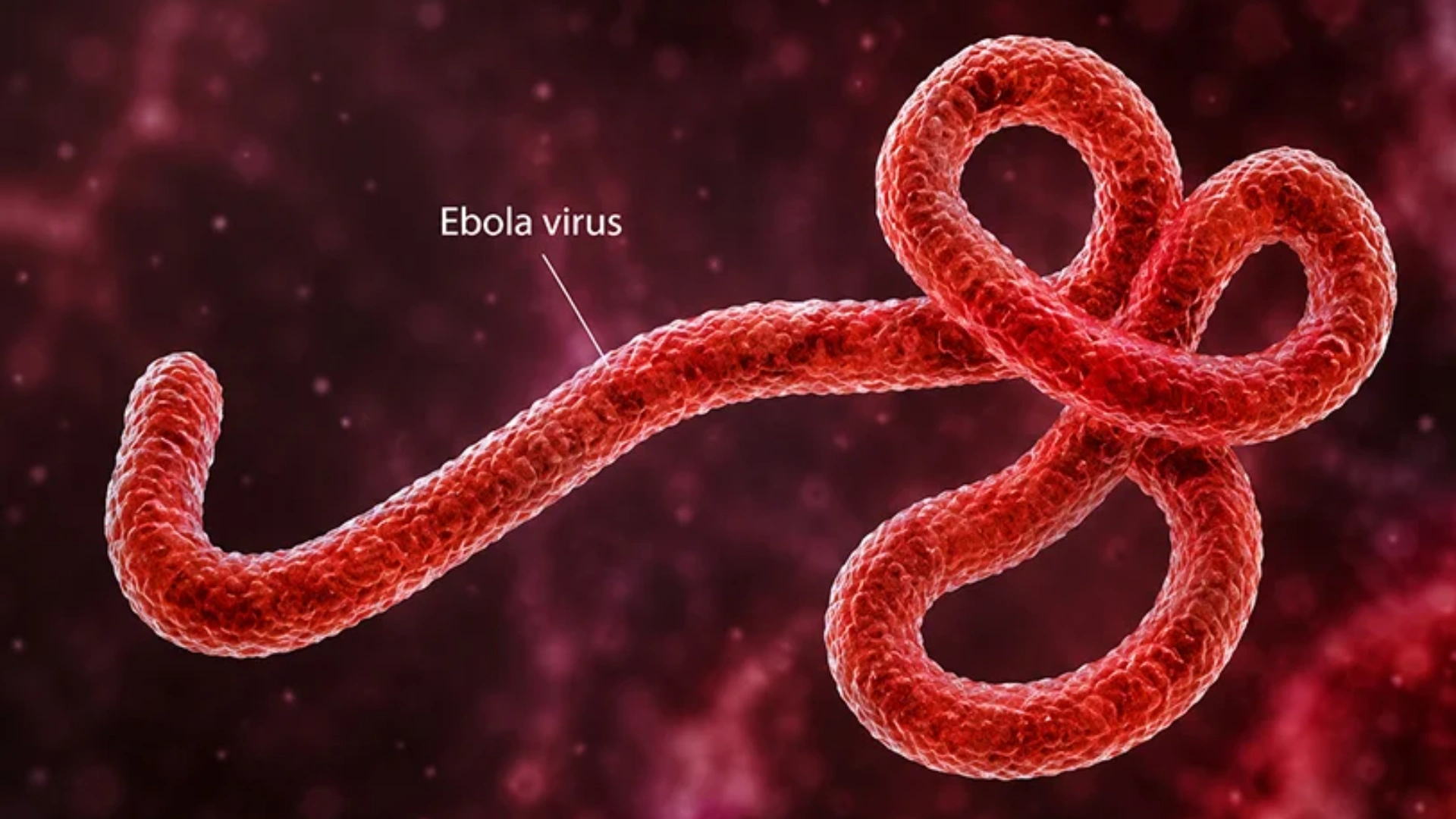
Ebola is a serious and often deadly illness caused by viruses from the orthoebolavirus group. Several types can infect people, including Ebola virus, Sudan virus, and Bundibugyo virus. The current outbreak in Congo is caused by Bundibugyo virus, and the illness it causes is known as Bundibugyo virus disease, or BVD.
The disease can initially resemble many other infections found in tropical regions. A patient may develop fever, severe tiredness, muscle pain, headache or a sore throat. Within several days, some patients develop vomiting, severe diarrhoea and abdominal pain.
As the infection progresses, it can disrupt fluid balance, circulation and the function of major organs. Bleeding may occur, but it is not present in every patient. The common image of Ebola as primarily a disease of dramatic haemorrhage can therefore be misleading. Severe gastrointestinal illness, dehydration, shock and organ dysfunction are often more important clinical problems.
That early resemblance to illnesses such as malaria and typhoid creates one of the most difficult problems during an outbreak. Patients may initially remain at home or seek treatment for another suspected infection. Without laboratory testing, identifying Ebola quickly can be difficult.
How does Ebola spread?
Ebola does not spread through the air in the same way as influenza or COVID-19. Transmission generally occurs through direct contact with the blood or other body fluids of somebody who is sick with Ebola, or through objects contaminated with those fluids.
The virus can be present in blood, vomit, diarrhoea, urine, saliva, breast milk, semen and other bodily fluids. Family members caring for sick relatives and health workers treating patients without adequate protective equipment can therefore face particularly high risks.
People who have died from Ebola can also remain highly infectious. Safe and dignified burial procedures are consequently a central part of outbreak control. Touching, washing or preparing the body of a person who died from Ebola without appropriate protection can expose relatives and funeral workers to infectious material.
Ebolaviruses are also zoonotic, meaning outbreaks are thought to begin when a virus crosses from infected wildlife into humans. Scientists believe African fruit bats are involved in the natural ecology of the viruses, although the exact animal-to-human chain is not identified in every outbreak.
Importantly, infected people are not considered contagious before they develop symptoms. The incubation period can range from two to 21 days, which is why health authorities monitor people who have had high-risk contact with confirmed cases for several weeks.
What are the symptoms of Ebola?
Early Ebola symptoms commonly include a sudden fever, weakness, fatigue, muscle aches and headache.
These can later be followed by vomiting, watery diarrhoea, abdominal pain and loss of appetite. Severe disease can cause dehydration, disturbances in essential body salts, low blood pressure, shock and failure of major organs.
Bleeding or unexplained bruising can develop in some patients, but it is not universal.
Anyone in an affected area who develops compatible symptoms after contact with a suspected or confirmed Ebola patient should seek professional medical care rapidly and avoid close contact with other people while being assessed.
How can Ebola be prevented?
Ebola outbreaks can be contained, but doing so requires health authorities to break chains of transmission quickly.
For people living in affected communities, the most important precautions include avoiding direct contact with the body fluids of sick people; avoiding contaminated bedding, clothing, needles and medical equipment; and not handling the body of a person suspected of dying from Ebola unless trained teams using appropriate protection are involved.
For health services, prevention depends on rapid testing, isolation of suspected cases, personal protective equipment for health workers, strict infection-control procedures, thorough contact tracing and safe burials.
Communication with local communities is just as important. People are more likely to report symptoms early, identify contacts and accept medical care when they understand the measures being taken and trust the health teams carrying them out. WHO has repeatedly described community engagement as essential to bringing the current outbreak under control.
Vaccination has dramatically changed responses to outbreaks caused by Zaire ebolavirus. The current epidemic presents a harder problem.
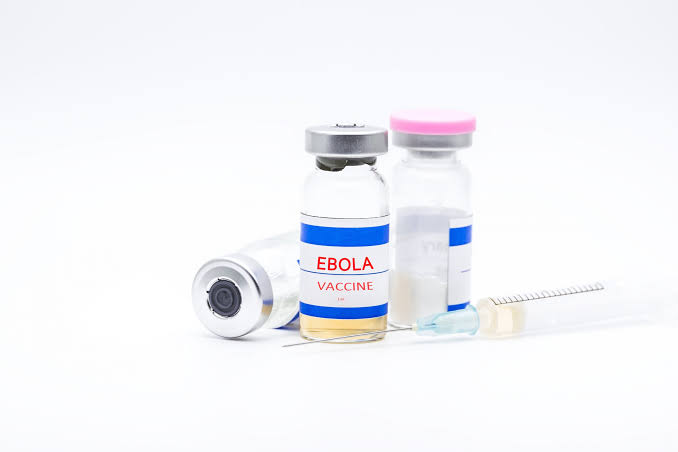
There is currently no licensed vaccine specifically approved for Bundibugyo virus disease. The WHO says there is not yet enough evidence to establish whether Ervebo, the licensed vaccine against Zaire ebolavirus, provides meaningful protection against Bundibugyo virus in humans. Candidate vaccines are being evaluated in research programmes.
Can Ebola be cured?
There is no single universal cure that works against every virus capable of causing Ebola disease.
For illness caused by Zaire ebolavirus, monoclonal-antibody treatments such as ansuvimab and Inmazeb have substantially improved treatment options when combined with high-quality supportive care.
But these drugs are not approved as specific therapies for Bundibugyo virus disease.
For patients in the current Congo outbreak, the most important established treatment is optimised supportive care. That can include oral or intravenous fluids, correction of electrolyte abnormalities, oxygen when required, nutrition, pain management and treatment of other infections such as malaria when appropriate. Early care can improve a patient’s chances of survival.
Researchers are simultaneously testing experimental treatments against Bundibugyo virus. WHO experts have prioritised candidates including monoclonal antibodies and the antiviral remdesivir for clinical evaluation.
The WHO-supported PARTNERS trial began enrolling patients in July in Ituri and had enrolled more than 250 confirmed cases by late August. These experimental therapies should not yet be described as cures because their effectiveness against Bundibugyo virus has not been established.
Why is the Ebola outbreak in Congo so deadly?
The fatality rate of almost 50% reflects both the danger posed by Bundibugyo virus and the environment in which the epidemic is spreading.
One major problem is late detection. The WHO was alerted in early May to reports of a high-mortality illness in Ituri, with Bundibugyo virus confirmed later that month. By then, public-health teams were confronting infections in multiple communities rather than a single, easily contained cluster.
Another problem is that the first symptoms resemble malaria, typhoid and other diseases seen frequently in the region. People may seek care late or be treated initially for a different illness.
That delay can be deadly. Reuters reported that the WHO estimated around 60% of deaths were occurring outside Ebola treatment centres, showing how many patients were not reaching specialised care early enough.
Eastern Congo also faces long-running insecurity, displacement and uneven access to healthcare. Ituri and neighbouring provinces have experienced repeated armed violence, while large movements of people associated with conflict, mining and trade make tracing contacts and following suspected cases considerably more difficult. WHO has identified insecurity, humanitarian pressures, population mobility and limitations in health-system capacity as major factors intensifying the outbreak.
There is also a serious shortage of resources.
On September 8, WHO officials said almost 1,400 treatment beds had been established across 59 centres, but roughly another 1,600 beds were required. Around 9,000 health workers would be needed to staff the planned treatment capacity, leaving a shortage of about 5,000 trained workers. WHO has appealed for increased donor support for the Congolese government-led response.
Trust presents another challenge. Fear of treatment centres, misinformation and resistance to health teams can discourage people from reporting symptoms or agreeing to safe burial procedures. That gives the virus more time to move through households and communities.
For this reason, effective Ebola control requires more than laboratories and protective equipment. Local health workers, community organisations, survivors, traditional authorities and religious leaders often play a decisive role in persuading families to seek treatment and cooperate with contact tracing.
The challenge ahead
Congo has more experience responding to Ebola than almost any other country, but the present epidemic is testing that experience under particularly difficult conditions.
Authorities and international partners are expanding treatment capacity, laboratory testing, disease surveillance, contact tracing and community engagement while researchers investigate whether experimental vaccines and medicines can provide effective protection against Bundibugyo virus.
The central lesson of the Ebola outbreak in Congo is that the virus becomes especially dangerous when infections are recognised late, and chains of transmission remain hidden.
Faster diagnosis, earlier supportive treatment, safer healthcare, trusted community communication and sustained international financing can all reduce deaths even before a Bundibugyo-specific vaccine or treatment becomes available.
For Congo, the immediate task is therefore not only to treat people who are already critically ill. It is to shorten the period between infection, recognition, and medical care, and prevent every new infection from beginning another chain of transmission.
Don’t forget to follow us on Facebook | Instagram | Twitter | LinkedIn to get the latest updates from Cape Town Tribune